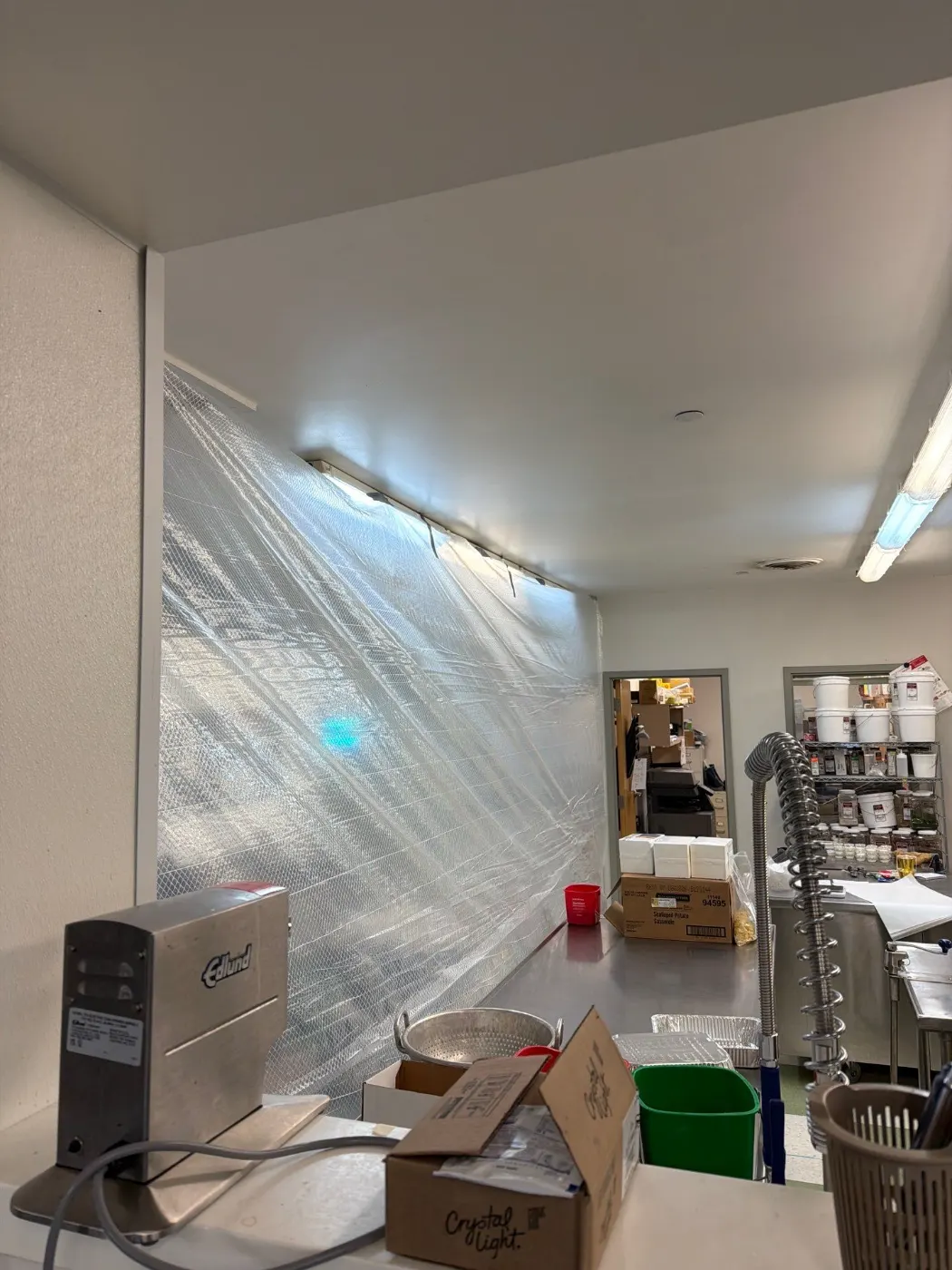
Storm Damage in Battle Ground, IN
Storm water in your Battle Ground home gets the opening covered first, then extraction and drying until the readings clear.
Battle Ground Water Restoration is the Battle Ground call for Storm Damage: emergency crews around the clock, moisture readings instead of guesswork, and insurance files built properly. Call (463) 241-6041.
- Service: Storm Damage for Battle Ground homeowners
- Service area: Battle Ground, IN and surrounding areas
- Response time: Same day emergency response for Battle Ground; 24/7 availability
- Licensed and insured (License #RC21100059)
- Serving Battle Ground, IN since 2018
Storm Damage Cleanup in Battle Ground
We handle storm damage cleanup across Battle Ground, from tarping the opening to drying the house underneath it, and we're out day or night.
Where Storm Water Ends Up
Homes near the Wabash River can see rising water after heavy rain. With full basements common here, a big storm can bring water in from below as well as through the roof. That makes it a basement flooding job too.
After a storm we can be anywhere in Battle Ground, from Gracewood Estates to the roads around College Street and Tippecanoe Battlefield National Historic Landmark. Nearby, we also dry out storm damage in West Lafayette, Otterbein, Dayton and Clarks Hill.
Expert Storm Damage for Battle Ground Homeowners
The sky cleared overnight and the house still feels damp, and a stain you didn't see yesterday has shown up on the hallway ceiling. Storm water keeps moving through framing and insulation for a day or more after the rain quits. Battle Ground Water Restoration maps where it went on storm calls in Battle Ground and tracks it until the readings settle.
Storm water gets into a house in a handful of ways, like a lifted shingle, a failed flashing joint, an ice dam backing up under the eave or wind pushing rain through a soffit. Battle Ground Water Restoration traces the path in your Battle Ground home with a thermal camera and moisture meters, so the drying covers every room the water reached.
Surface water jobs add a cleaning stage after the soaked material is out. Framing and concrete that stay get cleaned and treated with an antimicrobial before any drying equipment goes in. Crews work in protective gear, and the debris gets bagged where it comes out and carried straight out of the house.
Many policies expect you to take reasonable steps to limit further damage after a loss, and to keep receipts for what you do. Moving belongings or calling a restoration company both count as steps worth documenting. Battle Ground Water Restoration logs what the crew does on each visit to your Battle Ground home, and the adjuster decides what your policy reimburses.
If your basement took on water when the power went out, call Battle Ground Water Restoration at (463) 241-6041. The pump down and the drying run through one crew, and the readings that show the job is finished go in a file you keep for your Battle Ground home.
Signs You Need Storm Damage Restoration
If you notice any of these in your Battle Ground home, schedule a free inspection before the issue worsens.
A wet cardboard smell in a basement that was fine before the storm
Stored boxes in a basement corner with damp bottom edges or water lines
Dark water line on basement drywall several inches above the floor
Drywall below a window that feels soft or crumbles when pressed
Puddles along an exterior wall or standing water in a basement window well after heavy rain
Water dripping from a ceiling light fixture or running down the canopy of a ceiling fan
A musty smell that comes back in the same room after every rain and fades in between
Pooled water or wet insulation under the floor in a crawl space
Flooring cupping, lifting, or separating at the seams along an exterior wall
A brown or yellow ring on a ceiling that got noticeably bigger after the last heavy rain
How Battle Ground Water Restoration Handles Storm Damage
We follow these steps in order on every Battle Ground job.
Storm Call Intake
The first call covers where you see water, whether the power is on, how long it's been coming in and what's already been moved. Those answers decide what gear goes out and what to do before the crew gets there.
Moisture Mapping
Thermal imaging and penetrating meters cover every room under and beside the intrusion, plus baseline readings in unaffected areas of the same house. The map shows how far water tracked through framing and insulation, and it's what decides which surfaces get opened.
Water Extraction
Standing water gets pumped and extracted before there's any drying equipment in the room. Hard floors are squeegeed and extracted, saturated carpet pad is pulled, and carpet gets detached to reach the subfloor. Water that came in at grade also gets an antimicrobial treatment once the soaked material is out.
Daily Monitoring
A technician returns every 24 hours while equipment runs, logs moisture content at the same marked locations, and repositions equipment wherever a zone's lagging. Rain during the drying phase triggers a recheck of the stabilized opening and of the materials sitting under it.
Clearance Verification
Final moisture readings are taken on every affected material at the same marked locations and compared against the unaffected baseline recorded at the start. Equipment comes out once that comparison's documented, containment follows, and the verification sheet goes into your file.
Storm Damage in Battle Ground
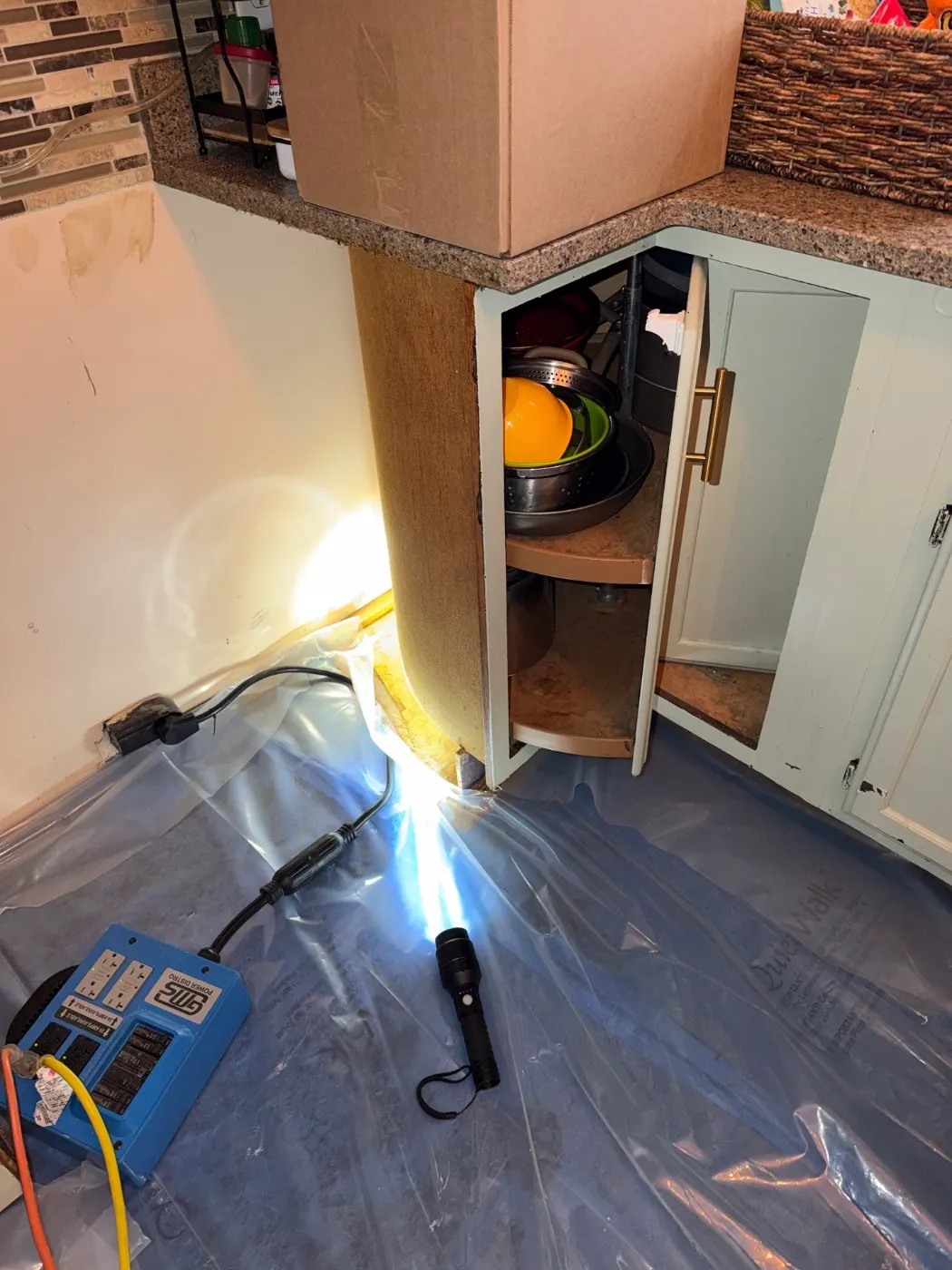
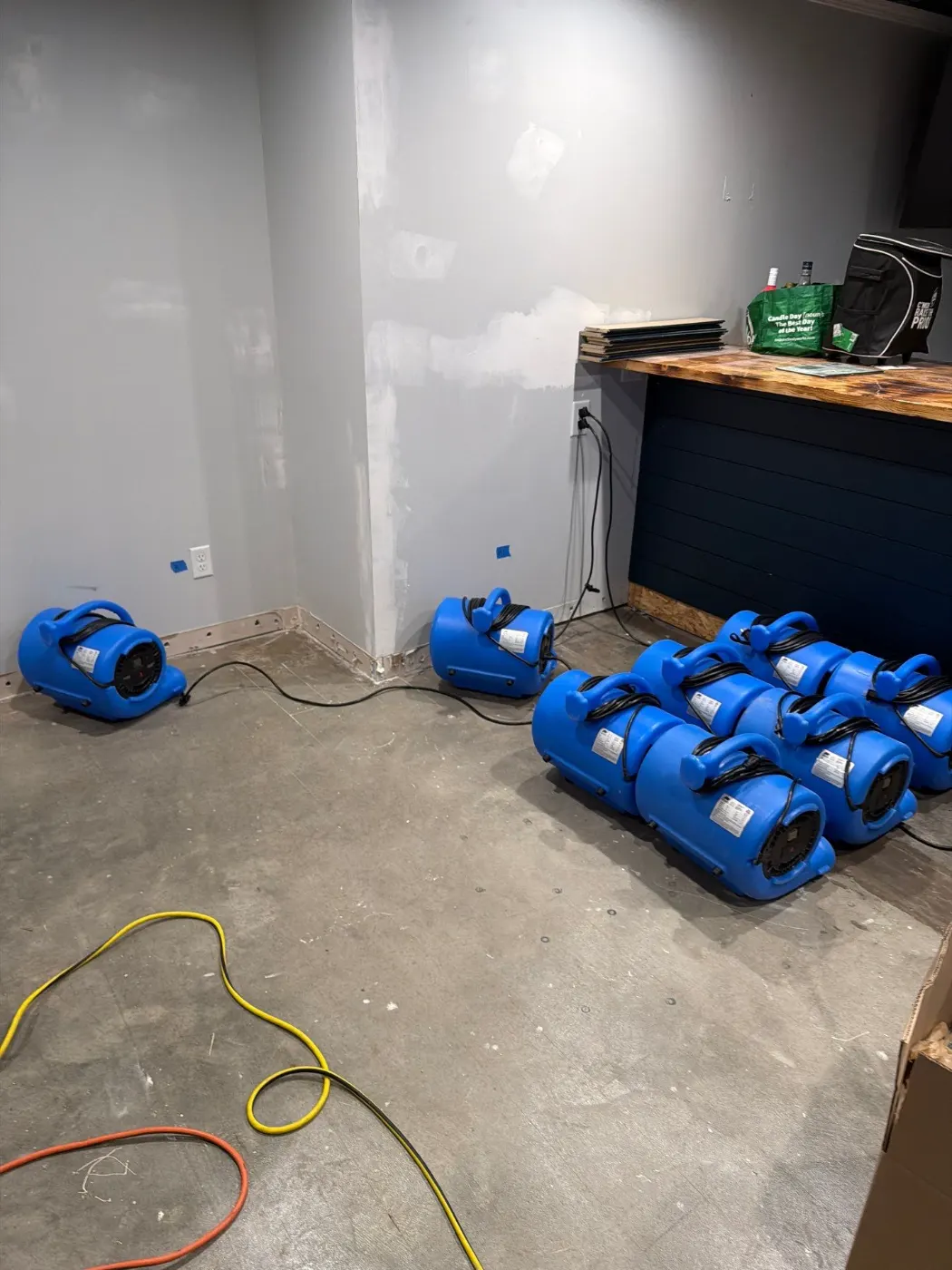
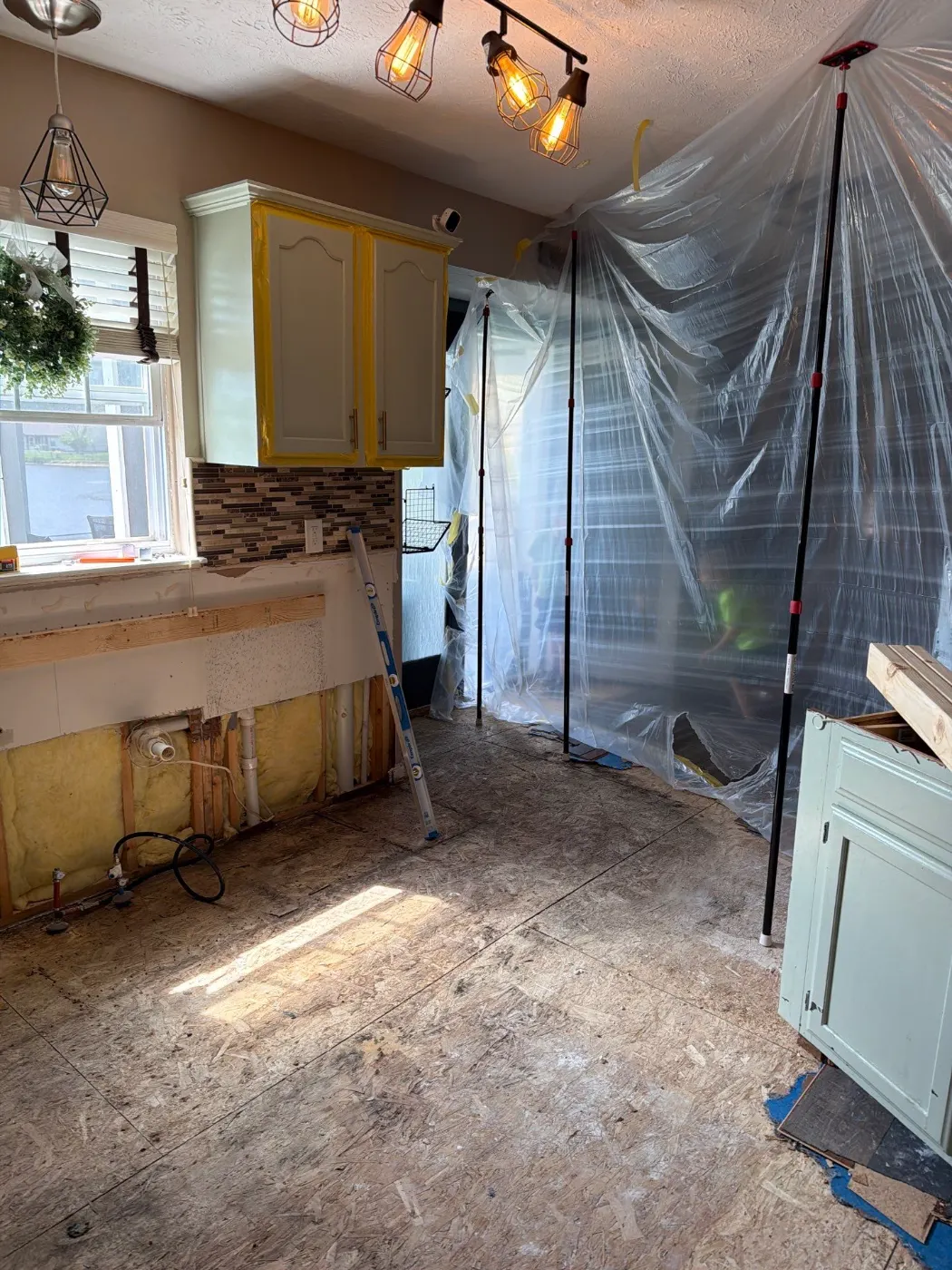
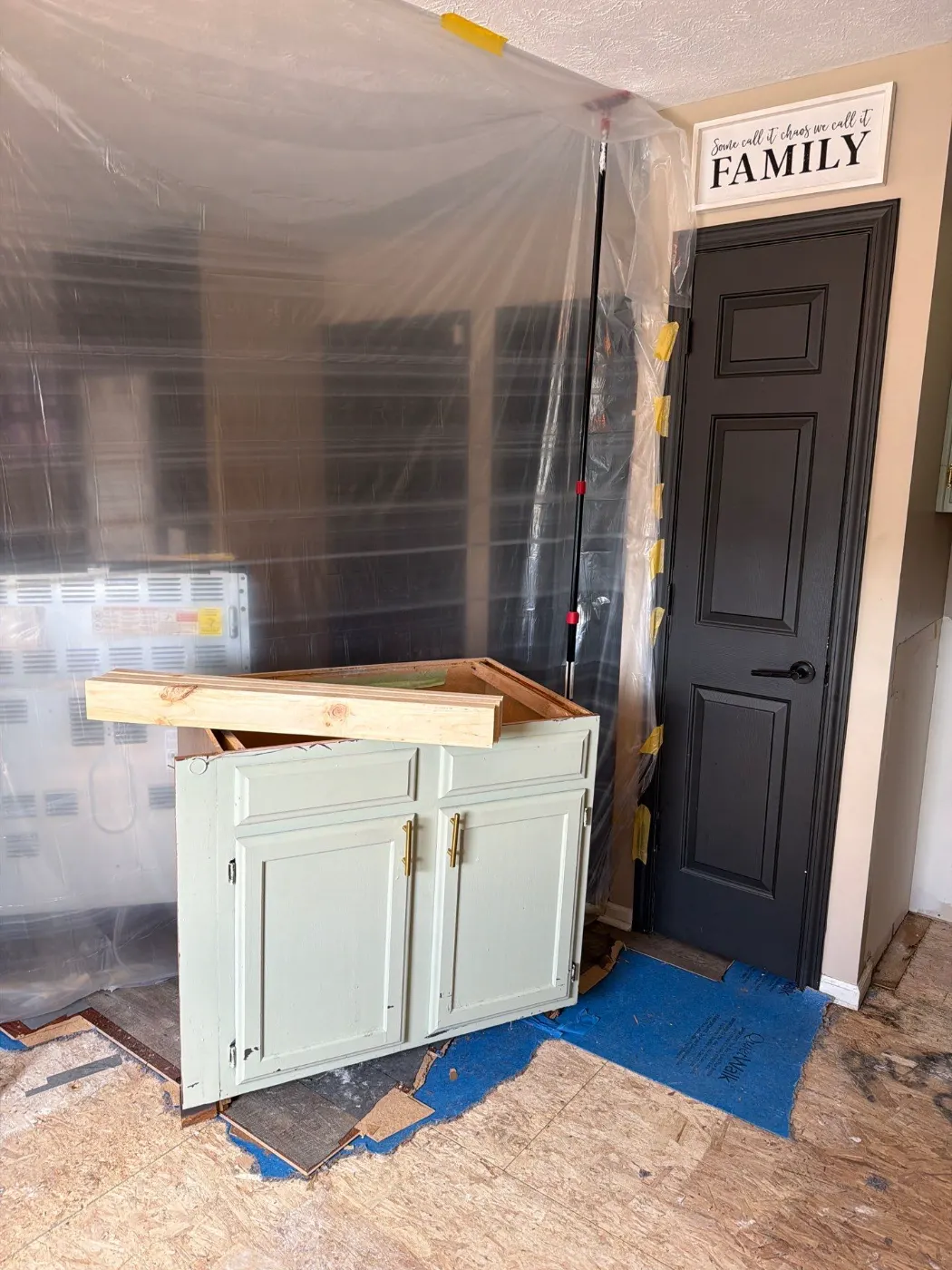
Photographs from real storm damage jobs completed by our crew in Battle Ground and surrounding areas.
Storm Damage FAQ
Questions Battle Ground homeowners ask us about storm damage restoration.
Guidance and Standards for Storm Damage
- The National Weather Service office in Indianapolis posts summaries of recent central Indiana storm and flood events. NWS Indianapolis Event Summaries
- The Indiana Department of Insurance advises against permanent repairs before your insurance company inspects the damage. Check your own policy for what it covers. Indiana Department of Insurance: Insurance Claim Tips
Battle Ground Neighborhoods We Serve
We take storm damage calls in every part of Battle Ground. Pick your neighborhood for local details.
Other Restoration Services in Battle Ground
Battle Ground Water Restoration handles the full scope of restoration work. Explore our other services below.
Water Damage Restoration in Battle Ground
24/7 emergency response. IICRC certified water restoration from extraction to full dry out.
Learn more →Basement Flooding in Battle Ground
Basement water emergencies handled fast. Extraction, drying, mold prevention.
Learn more →Sewage Cleanup in Battle Ground
Category 3 biohazard cleanup. Full containment, decontamination, structural restoration.
Learn more →Request Storm Damage Restoration
Reach Us Directly
Our team is available 24/7 for emergencies and ready to schedule inspections during business hours.
Need Immediate Help?
For active water or mold emergencies, call us directly. We are available 24/7.