The Flood Cleanup Company in Battle Ground
When water is spreading through your Battle Ground home, Battle Ground Water Restoration delivers fast, around the clock emergency response across Tippecanoe County. Our IICRC certified crews handle the full job from extraction and structural drying through reconstruction, and we coordinate with your insurance carrier from the first call.
Every missed call from Battle Ground gets a call back within 15 minutes.


Battle Ground Water Restoration delivers emergency water damage cleanup across Battle Ground and surrounding IN communities: same day water removal, verified structural drying, sewage and storm cleanup, and insurance claim documentation. Crews answer 24/7 at (463) 241-6041.
- Services: water damage restoration, basement flooding, sewage cleanup, storm damage
- Service area: Battle Ground, Tippecanoe County, IN and surrounding areas
- Response time: Same day for Battle Ground inquiries; 24/7 emergency service available
- Licensed and insured (License #RC21100059)
- Serving Battle Ground, IN since 2018
Schedule Your Free Damage Assessment
A proper inspection on a Battle Ground water loss is room by room and methodical. We walk the affected areas with a thermal imaging camera to map hidden moisture behind walls and under flooring, then confirm those findings with a penetrating moisture meter at multiple heights on drywall, into baseboards and trim, through subfloors, and into insulation when cavities are suspect. We pull access behind cabinets, under sinks, around water heaters and washing machines, and walk the basement perimeter and slab joints where seepage often hides. Ambient humidity is logged with a hygrometer to set drying targets. The reason we are this thorough across Battle Ground homes is simple: the most expensive failure in water restoration is missed moisture that fuels mold colonization 30 days after the visible water is gone.
I agree to be contacted by Battle Ground Water Restoration regarding my inquiry.
Sewage backup cleanup in Battle Ground is a health emergency, not a mop job. Category 3 water carries bacteria into flooring, drywall, and anything porous it touches, and Indiana humidity gives contamination a head start. Proper containment, removal, and sanitizing has to begin the day it happens.
Our crew works the full Tippecanoe County area including Battle Ground and surrounding cities. IICRC S500 certified for water restoration and S520 for mold remediation. Serving Battle Ground homes since 2018. Every job is documented with timestamped moisture readings, photos at every stage, and the paperwork your carrier needs to pay the claim.
Insurance questions get answered honestly here: what policies typically cover, what documentation adjusters expect, and how Battle Ground claims move fastest. We work with every carrier serving Tippecanoe County and build files that stand up, while you make the decisions.
Payment Options That Work for You
Your Battle Ground Water Restoration project lead will walk you through every financing option during the assessment, and every term is in writing.
Pay for your project at a later time, but lock in today's pricing. Ideal for homeowners waiting on insurance settlements.
- No payments for 12 months
- No interest if paid in full
- Lock in current pricing today
Divide your project cost equally across 12 months with zero interest. Most homeowners choose this option for predictable budgeting.
- Equal monthly payments
- 0% interest for 12 months
- Simple, predictable budgeting
Spread your investment over up to 20 years with fixed equal payments. The right choice for larger projects or homeowners who prefer lower monthly amounts.
- Up to 20-year terms available
- Fixed equal payments
- Ideal for larger restoration projects
Subject to credit approval. Ask your project lead for current terms and promotions.
Water Damage Cleanup and Repair Services
Battle Ground Water Restoration covers a water loss from the first hour of extraction through the rebuild, with readings logged along the way.
Water Damage Restoration in Battle Ground
Serving Battle Ground: full residential water damage restoration covering extraction, structural drying, antimicrobial treatment, and reconstruction after burst pipes, appliance failures, and supply line leaks. Handled per IICRC S500.
Learn moreBasement Flooding in Battle Ground
For Battle Ground addresses, basement water removal, structural drying of framing and subfloors, and reconstruction of damaged finishes after sump pump failures, foundation seepage, sewer backups, or storm runoff intrusion.
Learn moreSewage Cleanup in Battle Ground
Serving Battle Ground: category 3 sewage cleanup with proper containment, contaminated material removal, antimicrobial treatment, and reconstruction after toilet overflows, sewer line backups, and septic failures.
Learn moreStorm Damage in Battle Ground
In Battle Ground, storm driven water intrusion response including extraction, moisture mapping, drying of affected assemblies, and interior reconstruction after wind driven rain, flood events, and severe weather damage.
Learn moreCommercial Water Restoration in Battle Ground
For Battle Ground addresses, water damage restoration for commercial properties including offices, retail spaces, and multi tenant buildings, with after hours scheduling to limit disruption to operations.
Learn moreCommercial Flood Damage Cleanup in Battle Ground
For Battle Ground addresses, large scale extraction, structural drying, and reconstruction for commercial properties affected by flooding, with documentation built for commercial insurance claims.
Learn moreCommercial Sewage Cleanup in Battle Ground
Serving Battle Ground: commercial Category 3 cleanup including containment, contaminated material removal, antimicrobial application, and reconstruction per IICRC S500 protocols.
Learn moreCommercial Mold Remediation in Battle Ground
For Battle Ground addresses, mold remediation for commercial properties handled per IICRC S520, including containment, HEPA filtration, contaminated material removal, antimicrobial treatment, and post remediation verification.
Learn moreCommercial Storm Damage in Battle Ground
In Battle Ground, commercial storm damage water restoration including emergency extraction, drying of affected building assemblies, and interior reconstruction to return the property to operating condition.
Learn more
Local Expertise, Real Results
Documented moisture readings, IICRC protocols, and finish work that matches what was there before. That is how trust gets built in Battle Ground.
Restoration companies in Battle Ground are not all the same. Battle Ground Water Restoration is the version that documents everything, runs the same crew through reconstruction, answers the phone at any hour, and does not bill for work the IICRC standard says is unnecessary. License #RC21100059, serving Battle Ground and Tippecanoe County since 2018.
Battle Ground Water Restoration provides water damage restoration in Battle Ground and the surrounding Tippecanoe County communities, including West Lafayette, Lafayette, Shadeland, Dayton, Clarks Hill, and Otterbein. Restoration is what we do every day, year round, which means the Battle Ground homeowner calling us at 3 AM about a burst supply line is reaching a company that has handled that exact failure many times before. Our crews are IICRC certified, licensed, and insured, with experienced technicians who have been trained on the protocols that determine whether a wet home dries cleanly or develops mold three weeks later. We work residential and commercial properties across the Battle Ground service area.
Our work follows the IICRC S500 standard for water damage restoration and the IICRC S520 standard whenever mold remediation enters the scope. That means every Battle Ground job starts with a documented moisture assessment using thermal imaging and meter readings, not a guess. From there, controlled extraction comes first, then structural drying with monitored air movers and dehumidifiers sized to the affected area, antimicrobial application when conditions warrant, and post drying verification before any reconstruction starts. The technical rigor exists for a simple reason: water that looks gone on the surface is often still saturating subfloors and wall cavities, and the only way to know is to measure.
Our Promise
We make three commitments to Battle Ground homeowners. First, fast emergency dispatch day or night, because every hour without extraction expands the damage and pushes the job toward mold territory. Second, IICRC certified technicians trained to the S500 standard, working on a licensed and insured crew. Third, a free on site inspection before any work begins, with full insurance coordination if you have an active claim so the scope, documentation, and adjuster communication are handled professionally from day one.
Why Our Crew Fits Battle Ground Homes
How we approach every Battle Ground water loss, from the first meter reading to the final coat of paint, and why homeowners stay with us through the full restoration.
Around the Clock Emergency Dispatch
Water damage does not wait for business hours, and neither do we. Our 24/7 emergency line connects Battle Ground homeowners to fast dispatch any night, weekend, or holiday. Crews arrive with extraction equipment, dehumidifiers, and air movers already on the truck so mitigation starts the same visit, not the next day.
IICRC Certified to S500
IICRC certification is the industry baseline for legitimate restoration work, and our technicians are trained to the S500 standard for water damage. In practice that means documented moisture readings, defensible Category determinations, and drying to verified standard rather than guesswork that leaves wet materials behind walls.
Mitigation Through Rebuild
Most Battle Ground water losses need more than drying. They need drywall, flooring, trim, and paint to put the home back together. We handle the full scope so you are not chasing a separate contractor weeks after the dry out, coordinating two schedules and two invoices.
Insurance Documentation Done Right
We work with your insurance carrier and document the loss properly from the start: photos, video, written moisture maps, and scope justified per IICRC standards. Battle Ground homeowners get cleaner claim outcomes when the mitigation file is built correctly the first time, not patched together later.
Real Jobs. Real Results.
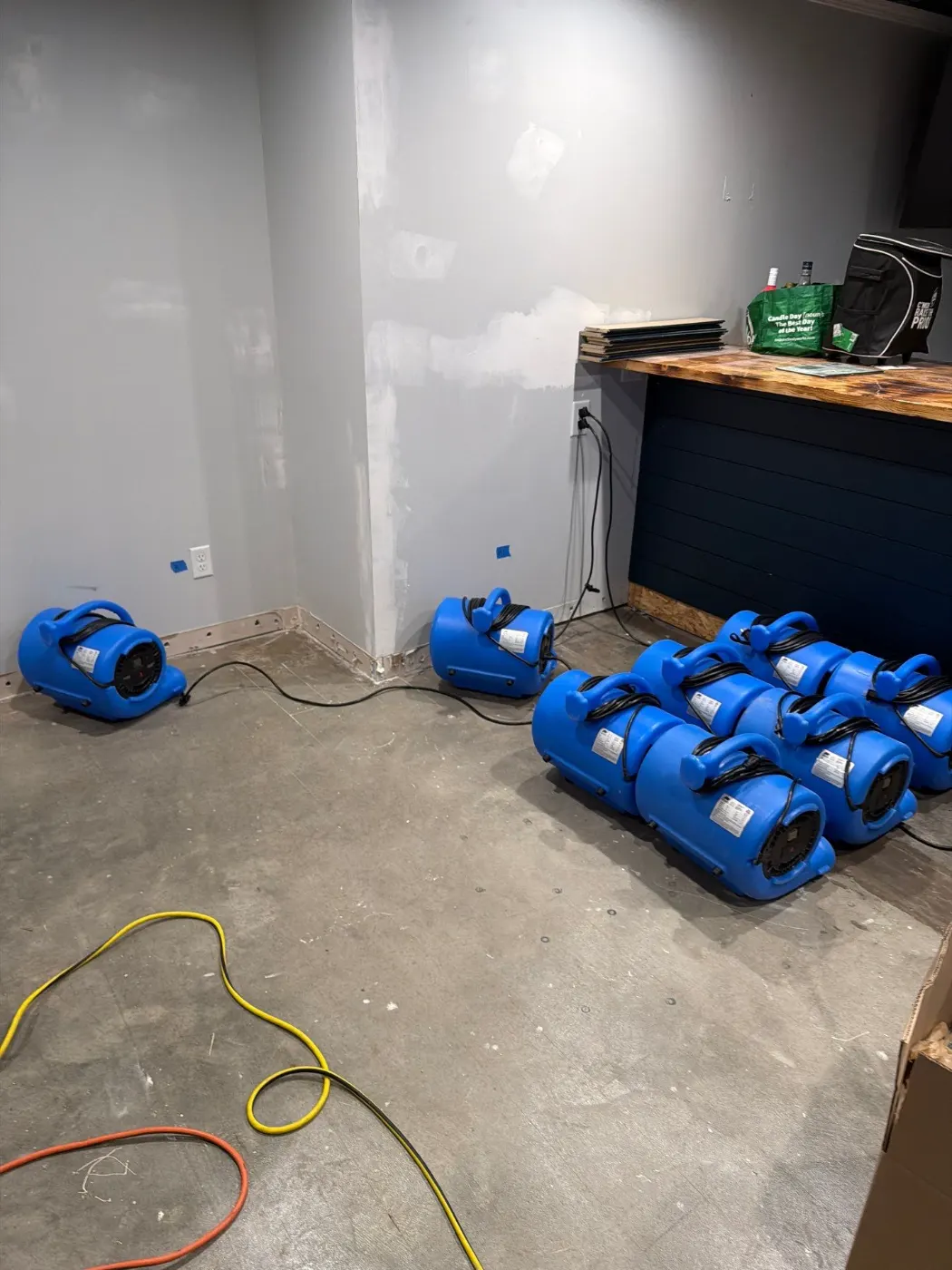
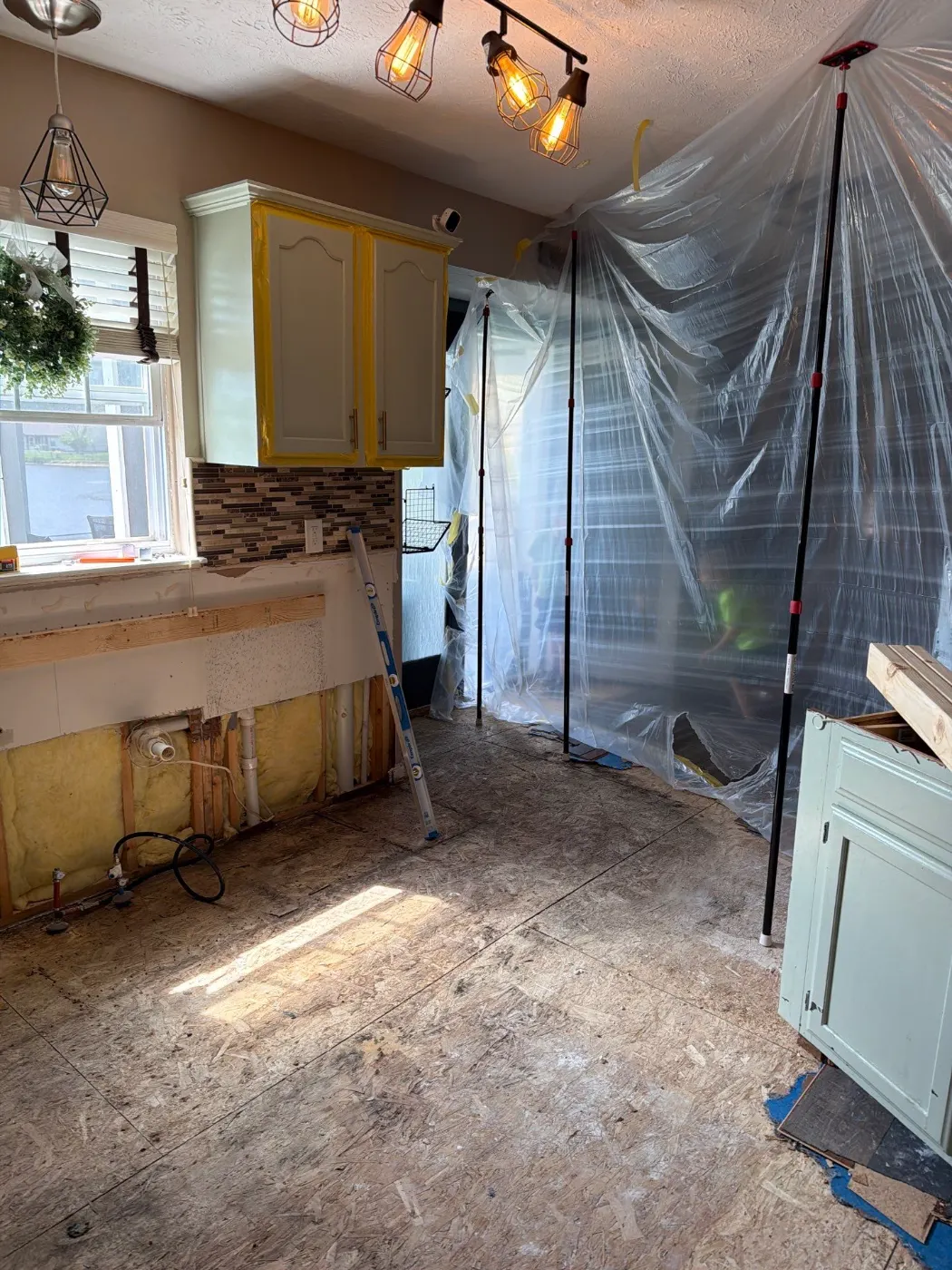
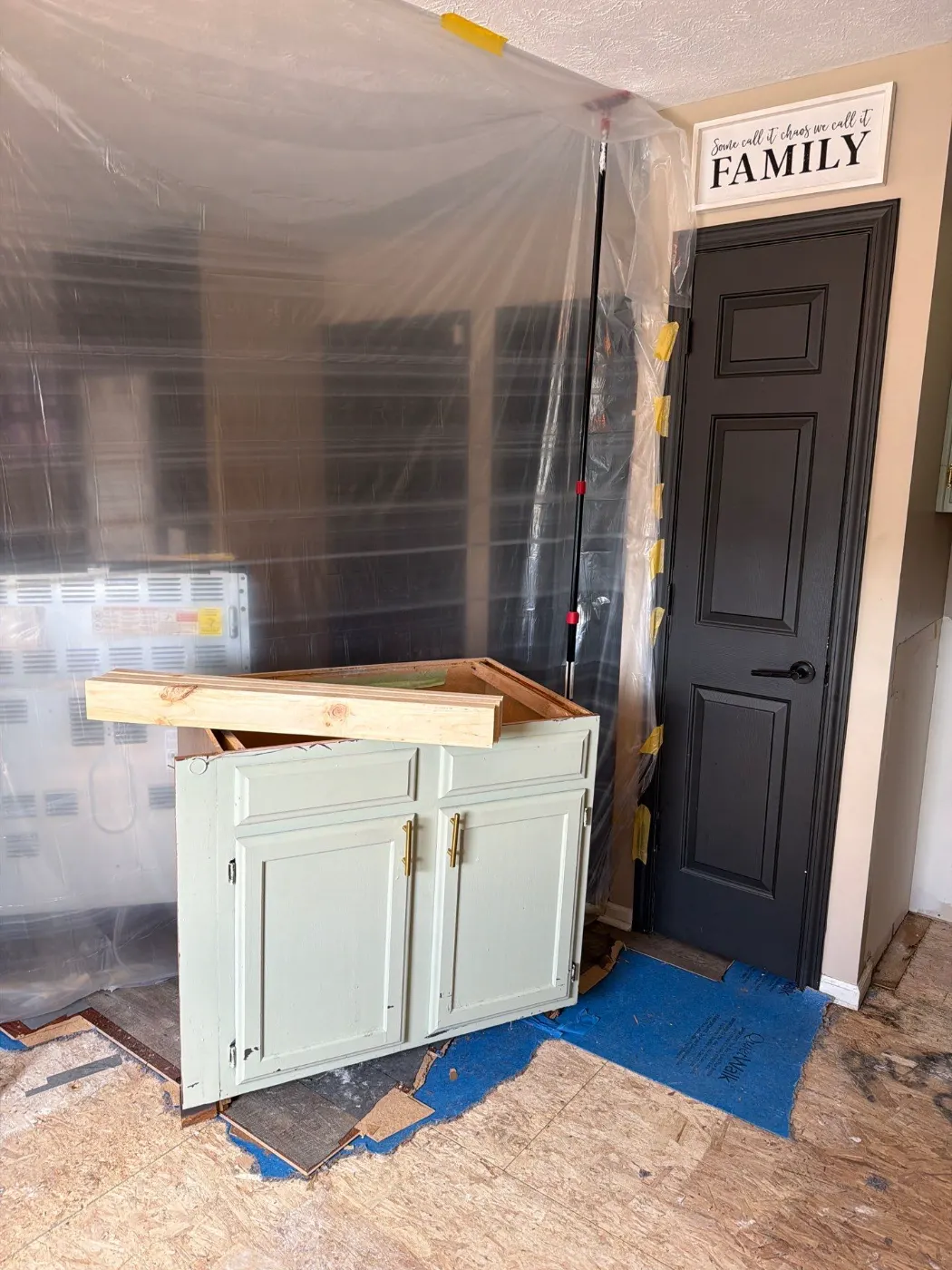
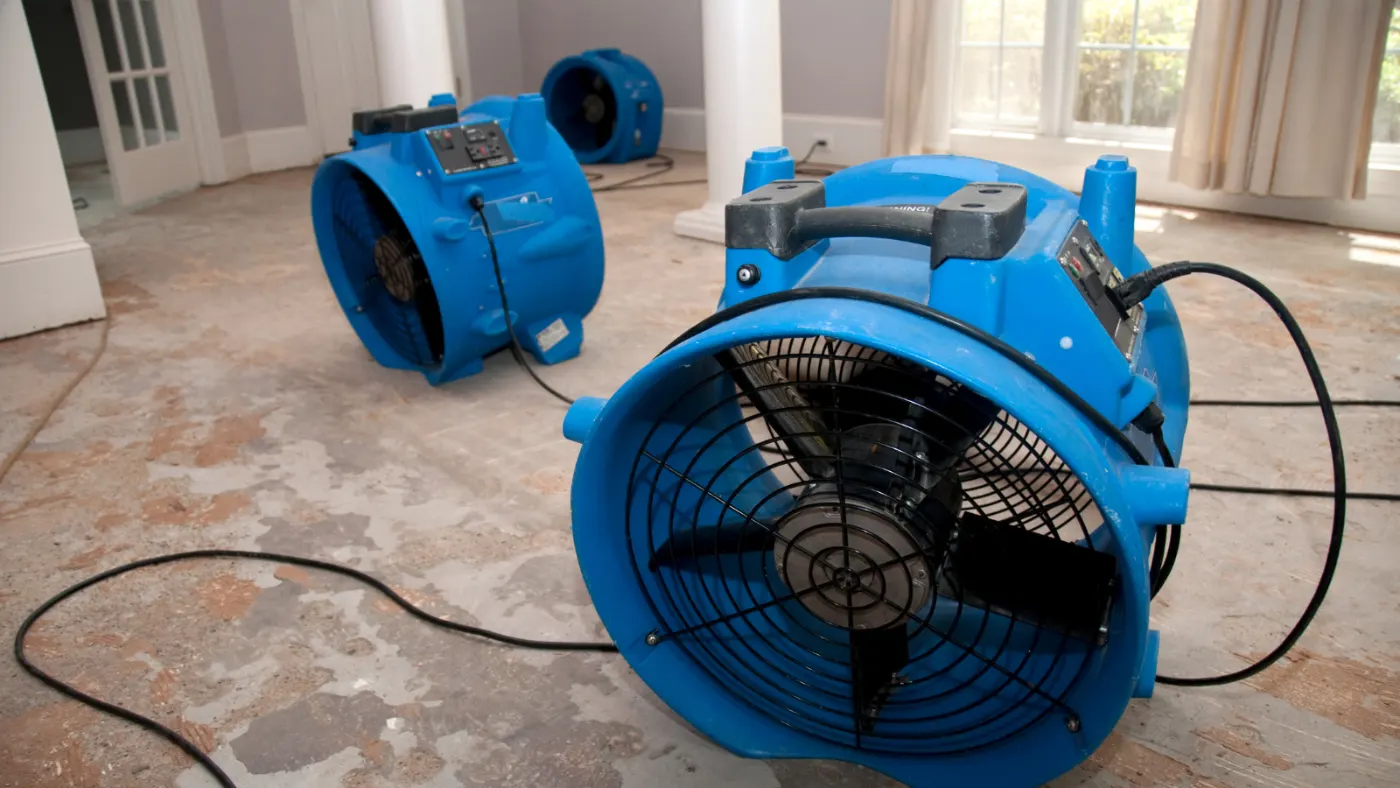
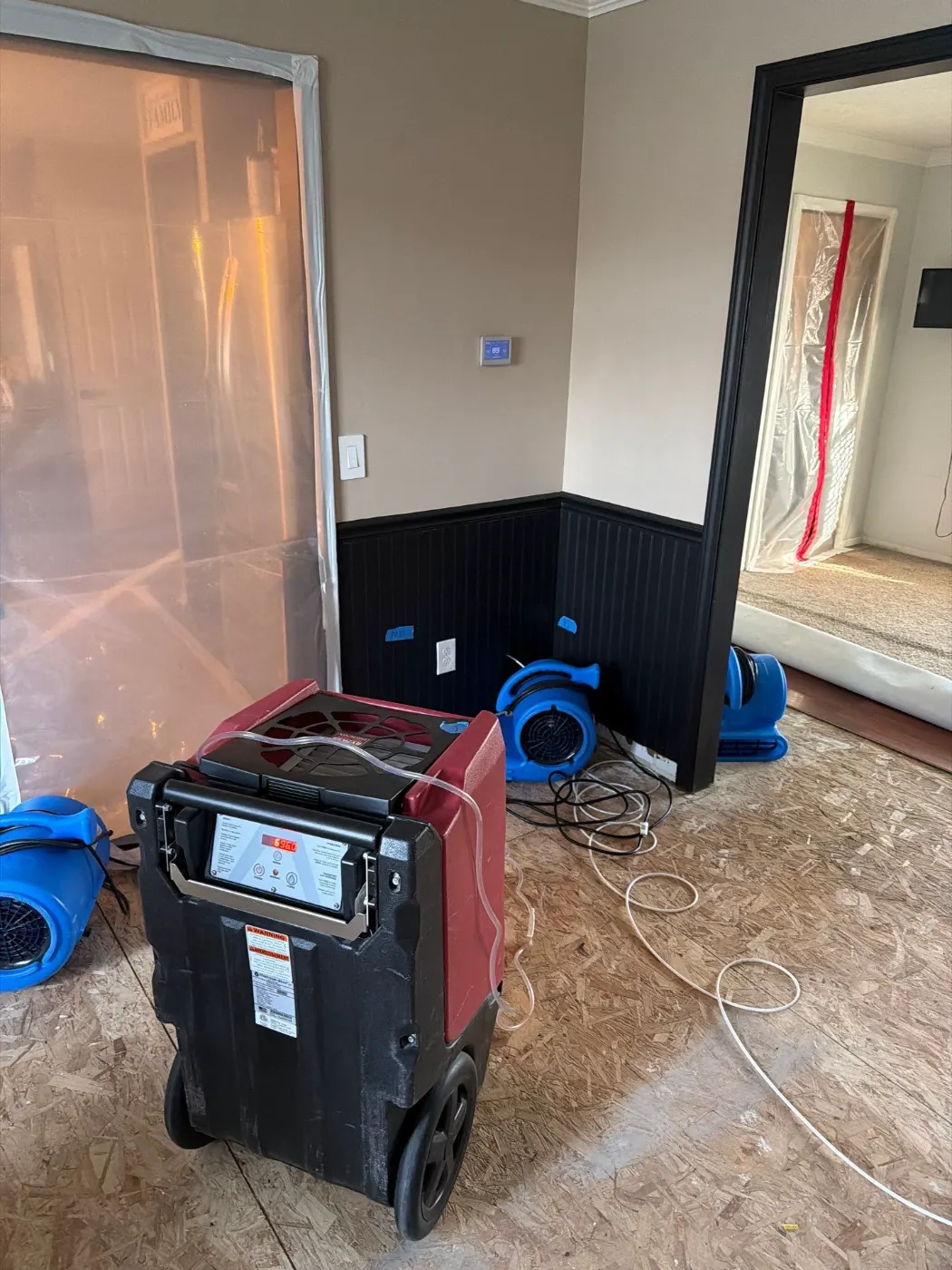
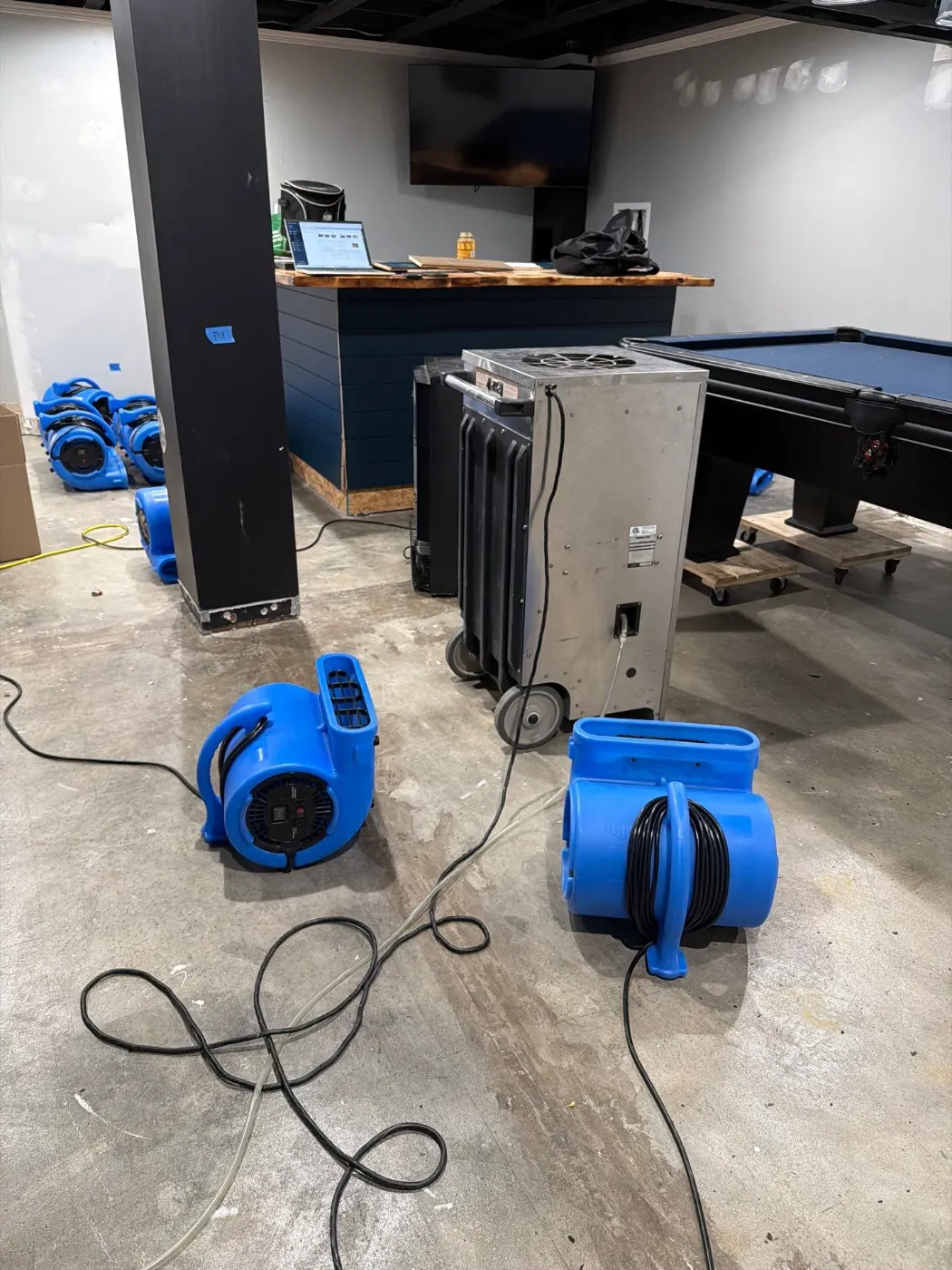
Recent water damage restoration, basement flooding, and mold remediation jobs completed across Battle Ground and Tippecanoe County. Real homes, real losses, real reconstruction work.
How We Run Water Loss Jobs in Battle Ground
The first phase on any Battle Ground job is moisture assessment and Category determination, typically 1 to 2 hours on site. We walk the property with thermal imaging and moisture meters, identify the source (broken supply line, dishwasher or washer failure, sewer backup, storm intrusion, sump pump failure), and classify the water as Category 1, 2, or 3 per IICRC S500. The full scope of affected materials gets mapped before any drying equipment is set, because the wrong Category call or a missed wet cavity changes the entire rest of the job.
Phase two is insurance coordination and documentation. Before mitigation begins, we capture photo and video of every affected area, log meter readings into a written moisture map, and open direct contact with your insurance adjuster. Scope of work is matched to your coverage and the mitigation justified per industry standard, which is what carriers expect to see. Most Battle Ground homeowners do not want to deal with paperwork during a water emergency, so we handle the carrier communication directly while you focus on your household.
Phase three is drying execution and reconstruction. Air movers and dehumidifiers are placed based on structural drying calculations for the affected square footage, with daily monitoring and logged moisture readings until materials hit the dry standard set against unaffected areas of the home. Controlled demolition happens only where wet materials cannot be saved. Then reconstruction follows: drywall, insulation, flooring, paint, trim, and finish work to return the Battle Ground home to its pre loss condition.
Rapid Emergency Dispatch
Call the 24/7 line and a crew is routed to your Battle Ground address with extraction equipment, dehumidifiers, air movers, and meters already loaded. An IICRC certified technician leads the response and starts containment and extraction on the first visit, not after a follow up scheduling call.
Category Determination
Per IICRC S500, water is classified as Category 1 (clean supply line or appliance overflow), Category 2 (gray water from dishwashers, washers, or toilet overflow without solids), or Category 3 (sewage, floodwater, long standing groundwater). The classification drives PPE, materials decisions, and the entire drying protocol.
Insurance Carrier Coordination
We work with your insurance carrier, not around them. Documentation is built to industry standard, scope is justified per S500, and we communicate directly with your adjuster on damage extent and mitigation steps so there are no surprise denials or coverage gaps mid job.
Drying to Verified Standard
Daily moisture readings are logged on every affected material until levels match unaffected areas of the home. Reconstruction does not start until structures are confirmed dry, which is the single best protection against trapped moisture turning into a mold problem 30 days later.
Water Damage Sources in Battle Ground
Tub and Shower Pan Leaks
Failed grout is a symptom, not the cause. Water passing tile is normal and the pan underneath is the barrier. When Battle Ground homeowners tell us they regrouted twice and the ceiling still stains, the pan is where we look.
Dishwasher Leak Under the Cabinet
Pull the machine out and the story is written on the floor: a rust ring at the fitting, swollen particleboard, and a dark line where water ran toward the sink base. All of that gets photographed before demolition so the cause and the timeline stay in the file.
Roof Leak Reaching the Ceiling
Storm season in Battle Ground produces a run of these calls a day or two after the weather, not during it. Wet insulation, damp truss chords, and the stained ceiling get documented together so the roof repair and the interior drying line up on one claim.
Refrigerator Ice Maker Line
That quarter inch line feeding the ice maker is the smallest supply in the house and the one nobody looks at. It gets pinched when the refrigerator slides back, then weeps behind the unit where nothing is visible until the flooring cups.
Toilet Wax Ring and Flange Failure
Look at the flooring at the base: a lifted edge on vinyl, a dark ring on wood, grout that stays damp. Under it the subfloor and often the joist top have been wet a while, and both get read with a meter before anything is scoped.
Window Well Overflow
Covers help and do not solve it. If the drain under the gravel is dead, water still arrives from the saturated soil around the well. Clearing that drain and fixing the grade above it is what actually keeps a Battle Ground basement dry.
First Hour Checklist for Battle Ground Homeowners Facing Water Damage
Most of what helps in the first hour is simple. Shut off the source and stay clear of anything electrical that got wet, then work through the rest of this list while our crew heads your way.
1. Stop the source
For a toilet or a washing machine, close the small shutoff valve behind it. If the leak is bigger, or you can't tell where it starts, close the main valve for the whole house and leave it off until our crew checks the source.
2. Stay clear of anything electrical
Stay out of any room where water has reached outlets or extension cords. If the breaker panel is dry and you can reach it without standing in water, switch off the breakers for the wet area. If you can't reach it safely, call your electric utility.
3. Keep everyone on dry ground
Set up a spot in a dry part of the house for kids and pets while you work through this list. Floodwater and sewage both carry germs, and wet stairs and floors are easy to slip on.
4. Save the paperwork
Deeds and family records are hard to replace, so move them to a dry room before anything else. Put them in a plastic bin or a sealed bag if the rest of the house is damp.
5. Keep stains off the carpet
Metal furniture feet can rust, and wood finishes can bleed into wet carpet. A square of foil or a plastic container lid under each leg keeps both off the carpet, and it takes only a few minutes to do.
6. Leave the record to us
You have enough to deal with in the first hour. Our crew documents the damage with photos and moisture readings as soon as we arrive, and we walk you through what we found once the work is underway.
7. Use the right tools for small spills
Towels and a mop handle a small amount of clean water. For more than that, use a shop vac rated for wet pickup, and keep regular household vacuums away from the water.
8. Call before the water spreads further
The sooner the crew starts drying, the more of your floors and walls can be saved. Call as soon as the water is off, even late at night, since our dispatch line runs 24/7.
If you only get through the first two steps before help arrives, that's fine, since the water source and your safety come first. Call us when you're ready and we'll take it from there.
Three Simple Steps
We run every Battle Ground water job in the same order, and you get the readings at each stage.
Rolling Out
Extraction and containment equipment arrive together. Call the moment you find water, and a crew is dispatched within 2 hours. Fast response is the whole reason the line stays staffed.
The Assessment
Photos before, during, and after, all in one file. The map decides what dries in place and what comes out. Moisture content is logged per material and the loss is classified per S500.
Dried and Documented
The file closes with proof, not a promise. Rebuild starts only after the drying is signed off. Verification closes the job, not the calendar, and most Battle Ground dry-outs run 3 to 5 days.
How You Get a Clear Record of the Water Damage in Your Battle Ground Home
Our photo report gives you a clear picture of the water damage in your home, taken by our crew and explained by us. It covers where the water came from and what we plan to do about it, and you keep it when the job is done.
The starting point
Every report opens with the starting point of the leak, photographed before anything is moved. Water that came from outside, like a window well or a storm, gets noted the same way, with photos of where it got in.
How far the water traveled
Water moves under flooring and up into drywall farther than it looks from the doorway. The crew checks walls and floors with moisture meters, and the report marks which areas read wet and which read dry.
Your belongings, documented
Damaged contents get photographed where they were found, along with the rooms around them. If something can't be saved, the photo report shows its condition so you have a record of it.
What can dry where it is
Some materials can be dried right where they are, and some have to come out. The report shows which is which, with the readings behind each call, so you understand why a section of drywall or flooring is being removed.
The drying log
The report keeps a running log of the drying, with the readings from each visit and notes on the equipment in each room. It's the easiest way to see how close your home is to dry.
Questions are welcome
Ask about anything in the report that doesn't add up. The crew can take a new reading while you watch and explain what it means for that room, and seeing a dry wall next to a wet one makes the numbers easier to follow.
Sharing the report
The report is yours to share with anyone you choose. We document damage with a photo report and walk you through what we found, so you can decide with your insurance company, and your own policy spells out what it covers.
The report starts the moment our crew walks in, so the sooner you call, the sooner you'll have a clear record of the damage.
Questions to Ask a Water Damage Company in Battle Ground
Clear answers to these questions make it easier to compare restoration companies in Battle Ground.
Who will be working in my home?
Ask whether the crew works for the company you called or for a subcontractor, and who's in charge on site each day.
How will you show me it's dry?
Ask for moisture readings on the first visit and the last one, so you can see the numbers reach dry standard.
Can I see an itemized estimate?
Ask for every line item in writing. Many insurers price water losses in Xactimate, so an estimate in that format is easier for an adjuster to review.
Does my policy require a certain company?
Ask your adjuster before you sign anything, and read the work authorization so you know what you're agreeing to.
What happens if you find mold?
Ask how mold behind walls or under floors gets handled, and whether that work is priced apart from the drying.
Who handles repairs after drying?
Ask who replaces drywall, flooring, paint and trim once the structure is dry, and whether one company can do both stages.
Indiana Weather Drives Restoration Calls Year Round
Indiana weather drives a steady share of Battle Ground water damage calls: spring saturation pushing water through basement walls on clay heavy soils, January cold snaps bursting supply lines in crawl spaces and exterior walls, and summer thunderstorms triggering Tippecanoe County flood warnings that overwhelm sump pumps and low lying drainage.
Spring Saturation Flooding
Heavy spring rain on Tippecanoe County's clay heavy soils saturates the ground fast, and Battle Ground basements take the hit. Hydrostatic pressure pushes water through foundation cracks, cove joints, and around failing sump pumps. When we are called in, extraction starts immediately, followed by structural drying of subfloors, wall cavities, and basement framing before mold has time to establish.
Winter Pipe Bursts
Indiana cold snaps freeze supply lines in crawl spaces, exterior walls, and uninsulated utility chases, and the burst usually happens overnight. By morning a Battle Ground homeowner can be looking at saturated drywall across multiple rooms. Our crews extract the standing water, open contained wet cavities, and set drying equipment the same visit.
Severe Thunderstorm Intrusion
Tippecanoe County sits in a corridor where summer thunderstorms regularly trigger flood warnings for low lying areas, creeks, and streams. Wind driven rain finds its way through compromised exterior penetrations and window seals, and storm runoff overwhelms drainage. We respond with extraction, containment, and full structural drying.
Ice Dam Backups
Freeze thaw cycles through January and February create ice dams that force meltwater backward under roofing materials and into Battle Ground attics, then down through ceilings and wall cavities. The water damage is often discovered as staining or sagging drywall days later. We trace the moisture path with thermal imaging, dry the affected assemblies, and rebuild the damaged interior finishes.
Battle Ground Subdivisions and Older Blocks
Open any neighborhood to see what our crew looks for in those Battle Ground homes when water shows up.
Where we respond near Battle Ground
The towns below sit closest to Battle Ground, and calls from them go to the same dispatch line.
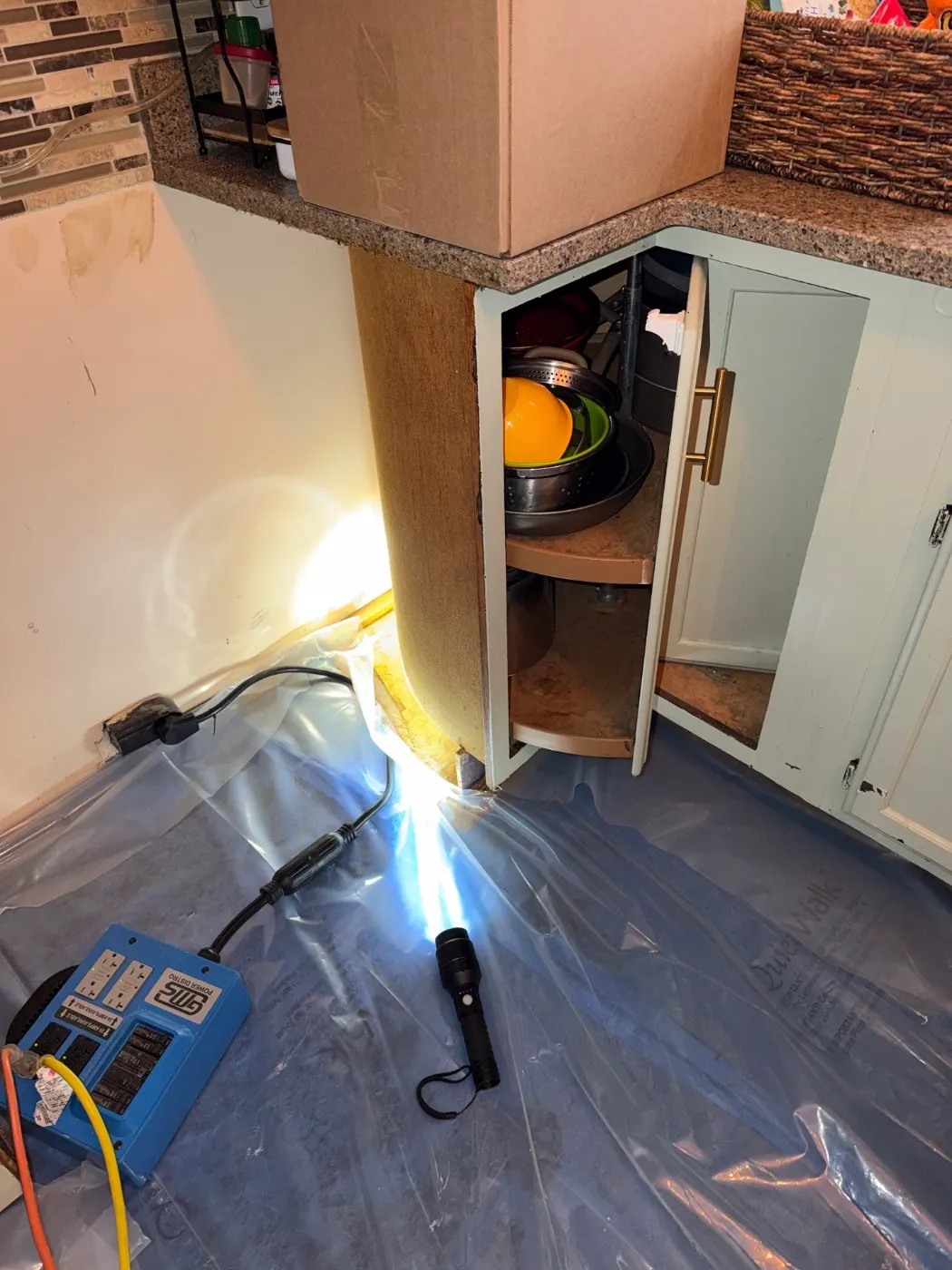
What Water Damage Looks Like in Battle Ground
What our crew looks for in Battle Ground homes.
About Battle Ground Homes
Battle Ground, IN has a notably mixed housing stock: approximately 17% of units were built before 1940, reflecting the town's 19th century founding and early 20th century growth, while roughly 31.6% were constructed after 2000, indicating a significant suburban buildout wave. Pre-1950s homes likely contain galvanized steel plumbing nearing or past its service life, mid century homes transitioned to copper, and post-2000 construction commonly uses PEX or CPVC supply lines. Battle Ground is dominated by single family detached homes on moderately sized lots, with a growing number of two story and ranch style homes in newer subdivisions featuring full basements, a common configuration in this region of Indiana where frost depths and soil conditions make slab on grade less typical. Older in town homes along historic streets tend to be smaller one- and two story structures with full or partial basements and aging drain lines.
Where We Work in Battle Ground
We cover homeowners across Battle Ground near Tippecanoe Battlefield National Historic Landmark, Prophetstown State Park (Museums at Prophetstown), Battle Ground Elementary School, Battle Ground Middle School, William Henry Harrison High School, Battle Ground Golf Club, Farmers State Bank (S Railroad Street), College Street (town center / municipal address).
Surrounding Areas We Serve
Our crew also covers West Lafayette, Lafayette, Shadeland, Clarks Hill, Dayton, Otterbein.
Recent Weather Patterns
Tippecanoe County, including Battle Ground, is subject to National Weather Service Flood Warnings triggered by heavy thunderstorm rainfall, with documented warnings citing flooding of rivers, creeks, streams, and low lying areas affecting Battle Ground directly. The region is also within Indiana's tornado watch zone (Tippecanoe County appears on NWS tornado watch lists) and experiences freeze thaw cycles that generate burst pipe and ice dam related water intrusion risks during winter months.
What Our Crew Sees in Battle Ground
Battle Ground sits approximately one and a quarter miles northwest of the Wabash River, placing portions of the community and its surrounding rural properties in proximity to mapped floodplain zones administered by Tippecanoe County under its FP zoning district, homes near creek drainages and low lying areas carry elevated flood intrusion and basement seepage risk. The town's older housing stock (17% pre-1940) harbors aging galvanized and early copper plumbing prone to pinhole leaks and supply line failures, while the town itself has noted aging sewer mains requiring inspection for root intrusion and cracks. Indiana's humid continental climate with cold winters means freeze thaw cycles regularly stress supply lines in crawl spaces and uninsulated utility chases, and sump pump dependency is high in the newer subdivisions with full basements built on Tippecanoe County's clay heavy soils.
The Battle Ground Area
Battle Ground had a 2020 census population of 1,838, growing to an estimated 1,900,1,930 by 2025,2026, with a median household income in the range of $87,000,$110,000 depending on the data source and year. The community is overwhelmingly owner occupied (approximately 90% ownership rate) with a household profile skewed toward married couple families, many with children, and a median age around 34,38 years.
The Three Phases of a Water Loss in Battle Ground
What a homeowner in Battle Ground can expect at each stage of the job.
The Emergency Response phase is what happens in the first hours after your call. Our trucks roll into Battle Ground with commercial water extraction equipment, commercial dehumidifiers sized to the affected square footage, professional air movers, calibrated moisture meters, and thermal imaging cameras. Extraction begins promptly on arrival and structural drying equipment is set the same day, with daily monitoring and logged readings from that point forward. Work zones are contained with plastic to protect unaffected areas of your home, and we walk you through what to expect day by day so the process is not a mystery. This phase covers most Category 1 losses (clean water from supply lines, appliance overflows) and Category 2 losses (gray water from dishwashers, washing machines, toilet overflow without solids) in Battle Ground homes.
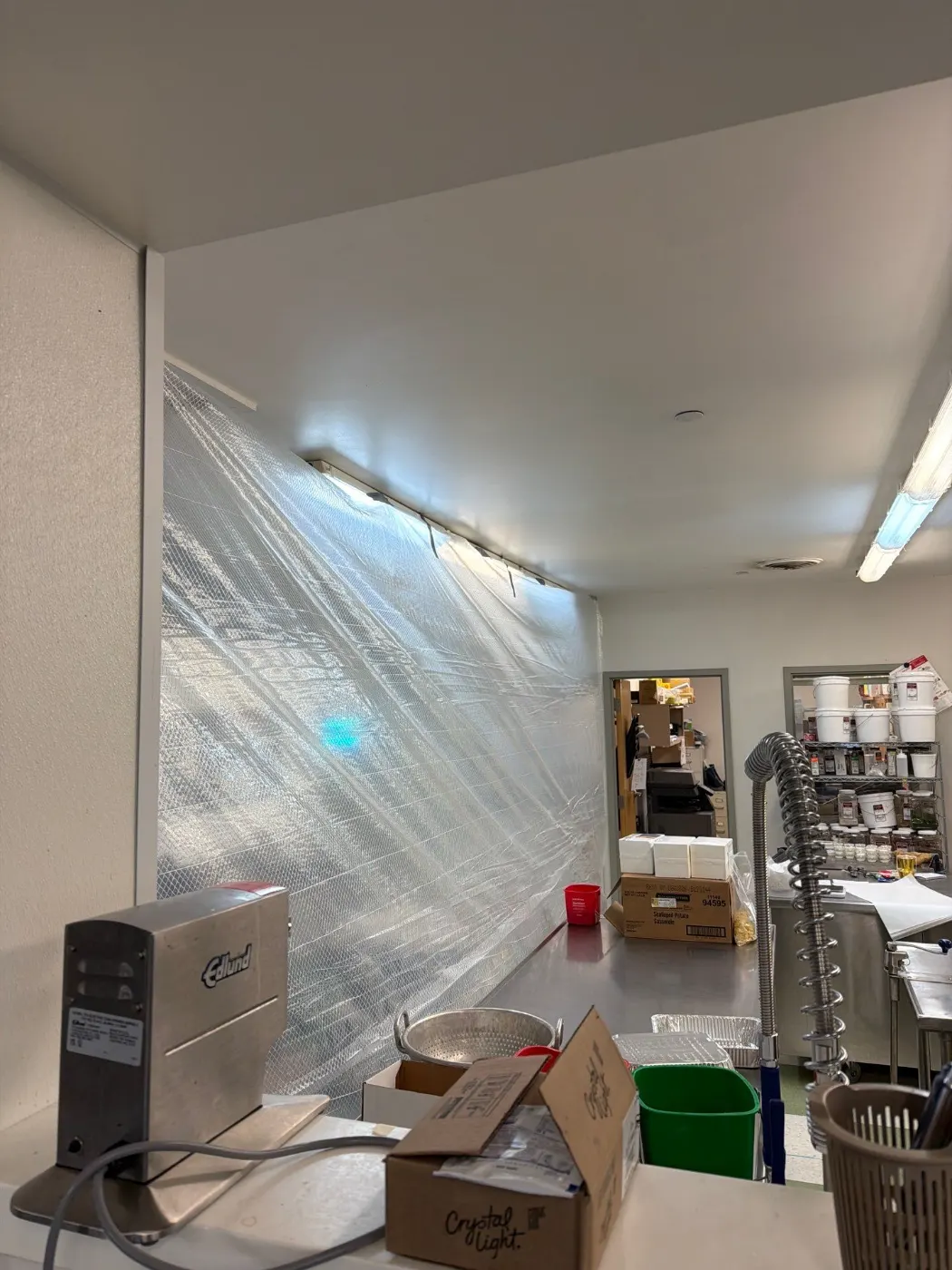
Specialized Containment is the phase that applies to Category 3 water (sewage backup, floodwater, long stagnant water with biological contamination) and to mold remediation handled per IICRC S520. Containment is built with 6-mil plastic barriers from floor to ceiling and sealed entry points, with negative air machines pulling contained air through HEPA filtration before exhausting. Technicians work in full PPE: Tyvek suits, N95 or P100 respirators per S520, nitrile gloves, eye protection. Contaminated materials are cut, bagged, and disposed of according to protocol. Remaining structure receives antimicrobial application, and when warranted we conduct post remediation verification with air sampling. This is the phase where IICRC certification matters most, because the corner cutting that happens here is what creates the long term respiratory and health problems homeowners discover months later.
The Reconstruction phase is everything required to put the home back together after drying is complete. The scope covers drywall hung, taped, mudded, sanded, primed, and painted; flooring replaced (carpet and pad, vinyl plank, hardwood refinish, tile reset); trim and baseboards reinstalled or replaced; cabinetry repaired or replaced; doors rehung; and finish work coordinated room by room. The job runs under one project number from the initial emergency call through the final walk through, with one project manager as your point of contact, one schedule, and one final invoice. The alternative is what most restoration companies do, which is hand off after dry out to a separate general contractor: two crews, two schedules, two billing cycles, and weeks of gaps where your Battle Ground home sits in demolition waiting for the next phase to start.
What the Drying Days Look Like in Your Battle Ground Home
If you're staying home during the dry out, plan on steady fan noise and a visit from the crew each day to check the readings. Your routine outside the rooms that got wet can mostly stay the same.
Expect steady noise
Air movers sound like strong box fans, and dehumidifiers add a low hum. A closed door between a bedroom and the equipment helps at night, and the crew can sometimes angle a unit away from a bedroom wall if the noise carries.
Set units back the way they were
The crew places each unit based on where the readings are wettest. If you bump one or need to get past it, set it back the way it was, aimed at the same spot.
Keep windows closed
Open windows let humid outdoor air in, and the dehumidifiers then have to dry that air too. Keep the windows shut in the rooms being dried until the crew tells you to open them.
Watch for tripped breakers
With several machines running, a breaker can trip, especially if you plug a hair dryer or a space heater into the same circuit. Reset it, then call us if it keeps happening.
Pets and drying rooms
Pets tend to be curious about the noise and the warm air, so keep them out of the drying rooms when you can. A gate across the doorway works if a door has to stay open.
A crew visit each day
Someone from the crew stops by each day to take readings and move the equipment where it's needed. Tell them about anything new you notice, like a musty smell or a soft spot in the floor.
Why the drying starts right away
EPA says it's important to dry water damaged areas and items within 24 to 48 hours to prevent mold growth. That's why the crew sets up drying equipment on the first visit and checks it each day after.
The last day of drying
On the final visit, the crew takes one more set of readings to confirm the wet areas are dry. Then the equipment comes out and the rooms are ready for any repairs they need.
Questions during the dry out are normal, so call our line and we'll get you an answer from the crew.
Water damage pricing in Battle Ground
Mitigation ranges calibrated to the Battle Ground market. Final pricing depends on water volume, materials affected, and IICRC Category.
Common Questions About Our Battle Ground Work
Plain answers to what Battle Ground homeowners ask before a crew starts work.
Expert Battle Ground Restoration Crews Available Now
If water is spreading right now or you suspect hidden moisture after a recent storm in Battle Ground, our crews are on call for fast emergency dispatch. The on site inspection is free with no obligation, and we coordinate with your insurance carrier from the first call.