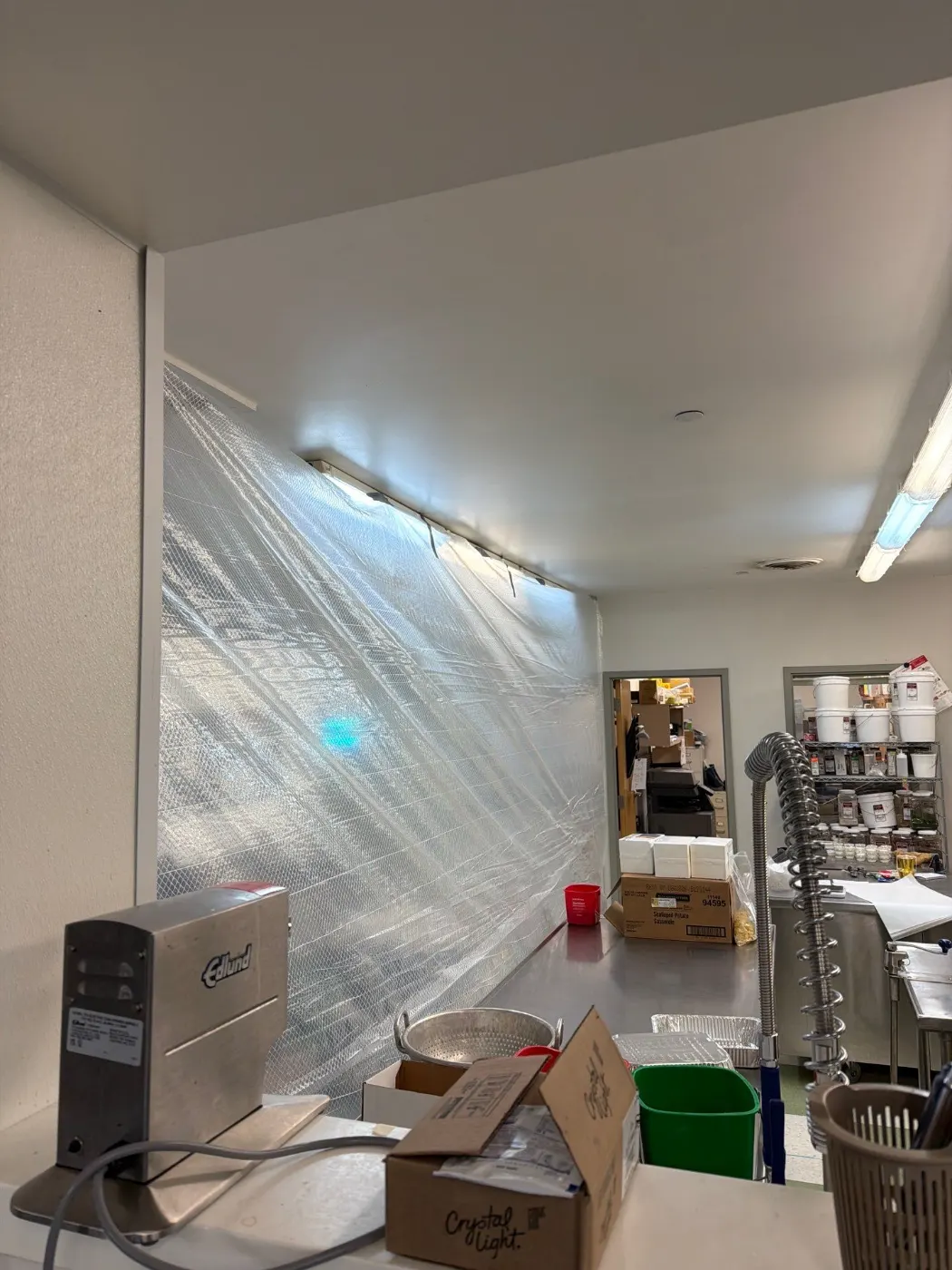
Commercial Flood Damage Cleanup in Battle Ground, IN
Pumping, drying, documentation and the rebuild for Battle Ground property and facilities managers, all from one call.
Battle Ground Water Restoration handles Commercial Flood Damage Cleanup for Battle Ground, IN homeowners: emergency dispatch around the clock, IICRC certified technicians, and insurance coordination on approved claims. Call (463) 241-6041.
- Service: Commercial Flood Damage Cleanup for Battle Ground homeowners
- Service area: Battle Ground, IN and surrounding areas
- Response time: Fast local response for Battle Ground; live dispatch every hour of the year
- Licensed and insured (License #RC21100059)
- Serving Battle Ground, IN since 2018
Commercial Flood Cleanup in Battle Ground
We handle commercial flood cleanup across Battle Ground, and we'll start with the areas your business needs back first.
Flood Exposure Here
Flood risk here runs highest for sites close to the Wabash River. Slow draining clay soil can hold floodwater against foundations and lower levels. Your building's own flood exposure gets mapped when we walk the site with your facilities contact.
Our flood crews work commercial sites throughout Battle Ground, including the blocks around College Street. We also handle commercial flood cleanup in West Lafayette, Otterbein, Dayton and Clarks Hill.
Commercial Flood Damage Cleanup for Battle Ground Businesses
Late winter in Indiana can stack snowmelt and cold rain on frozen ground that has nowhere to send it. The water runs toward the foundation, and the first dock well or lower level door it reaches lets it into the building. Battle Ground Water Restoration pumps and dries commercial properties in Battle Ground after thaw flooding and photographs the water line before the first cleanup pass changes it.
Knowing where water travels inside a commercial building keeps a mitigation scope from growing on its own. Battle Ground Water Restoration crews pull flooring where the meters call for it and leave sound assemblies in place to dry, which protects the budget and the finish schedule for your Battle Ground building at the same time. Each decision gets a photo and a reading in the file.
Work gets scheduled around your operation where the drying math allows it. Pumping and extraction have to happen immediately, but demolition, pack out, and loud phases can often run after hours or overnight while the building is empty. Equipment keeps running around the clock either way, because dehumidification only works when it stays on, and the crew checks readings on every visit.
If you decide against filing, the file is still yours. Battle Ground Water Restoration builds the same documentation on a self funded commercial job as on a claim: readings, photographs, equipment logs, and a line item scope. Property managers often want that record for the ownership group or for a future tenant question about a space, and it exists whether or not a carrier ever opens the loss.
The fastest way to shorten a commercial closure is to get pumping and dehumidification started today. Battle Ground Water Restoration dispatches to Battle Ground, IN, within two hours with equipment sized to the loss and crews who document every step. Call, describe what's wet and how deep, and the truck leaves loaded for that building, so work starts on arrival.
Signs You Need Commercial Flood Damage Cleanup
If you notice any of these in your Battle Ground building, schedule a free inspection before the issue worsens.
An expansion joint or control joint in the slab weeping water or staying dark for days
Retail storefront taking water under the front doors during a heavy rain
Mold spotting on the paper face of drywall behind wall base that was pulled for a look
Floodwater that reached electrical panels or outlets on the ground floor
Standing water in a stairwell or parking level below the building
Sump pit overflowing, or a sump pump that quit during the storm
Water standing in the elevator pit, or a sump or pit alarm that keeps calling in overnight
Parking lot storm drains backing up and pushing water toward the entrances
Dried silt leaving gray dust on shelving and walls once the floor surface dries
Brown waterline marks across the walls of a lower level at the same height in every room
How Battle Ground Water Restoration Handles Commercial Flood Damage Cleanup
We follow these steps in order on every Battle Ground job.
Waterline and Condition Photos
Before anything moves, the crew photographs the building as the water left it. Waterline marks get measured at several points in each room, with depths and heights logged beside the photos.
Mud and Silt Removal
Mud goes into containers first, starting at the far end of the building and working toward the exit. Wet vacuums and a rinse pass follow, and floor drains get flushed and checked so water can drain freely.
Cleaning the Structure
Concrete and block that stood in floodwater are washed with detergent from the top of the wall down and rinsed out. An antimicrobial treatment follows when the scope includes one, so drying starts on a clean surface.
Dehumidification Sizing
Dehumidifier and air mover counts come from the cubic volume of the affected space and the amount of wet material. Refrigerant units handle open floor area, desiccant units pull moisture out of masonry and concrete, and the math gets rechecked as the daily readings move.
Daily Documentation
Moisture readings, temperature and humidity logs, equipment counts by room, and photographs get recorded every day equipment runs. Affected materials get compared against dry standard readings taken elsewhere in the same building, so the file shows a drying trajectory an adjuster can follow.
Commercial Flood Damage Cleanup in Battle Ground
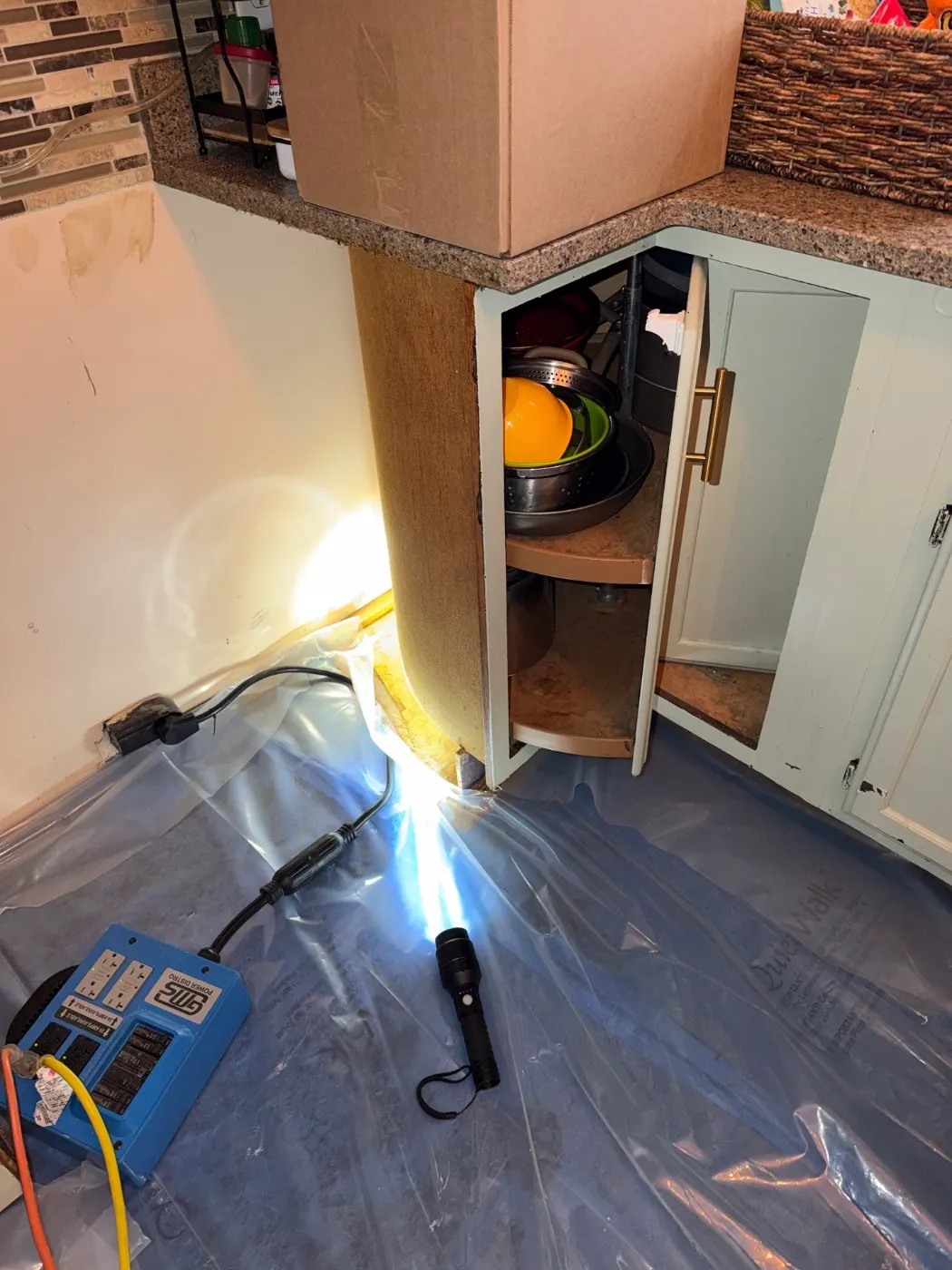
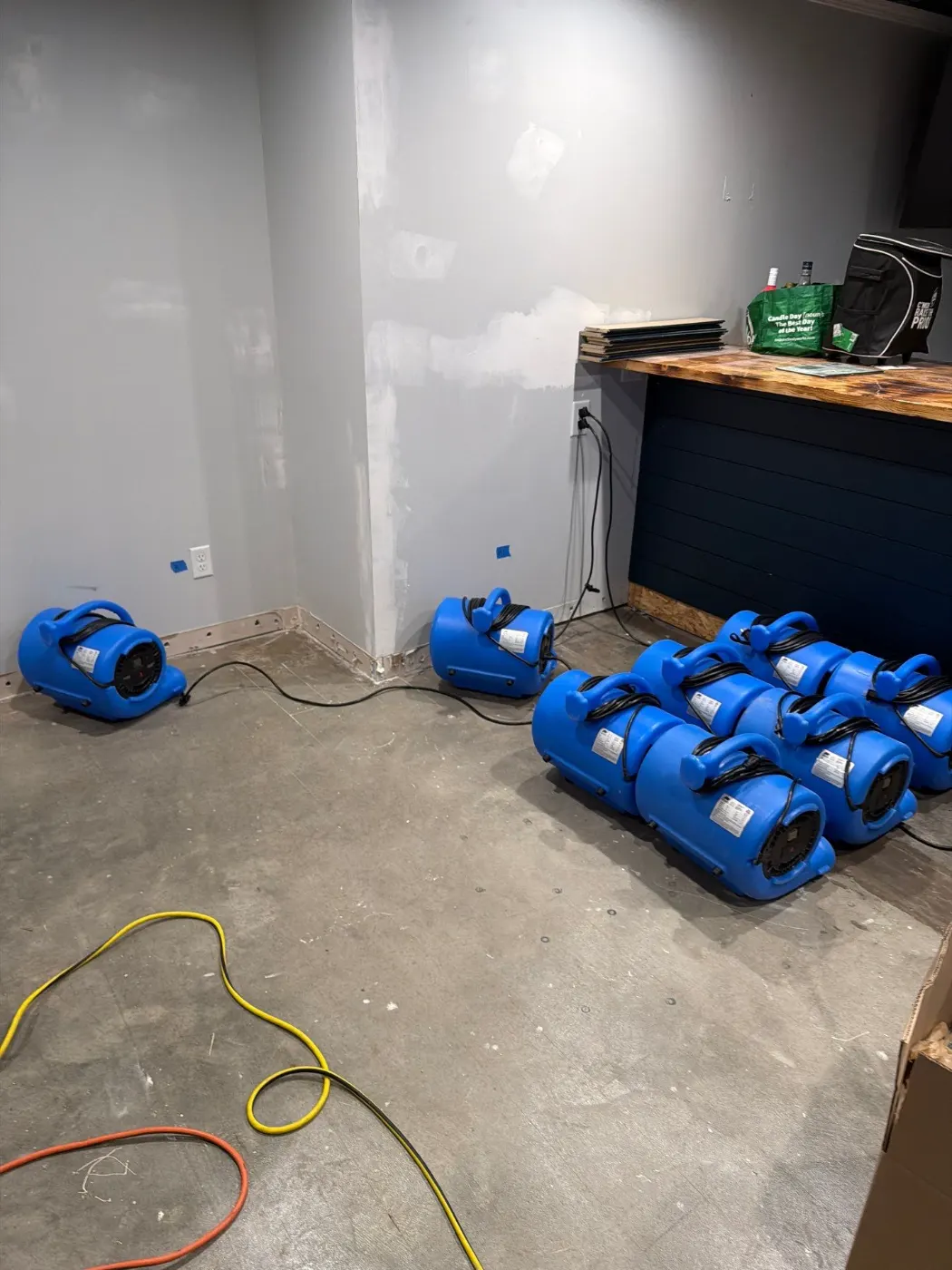
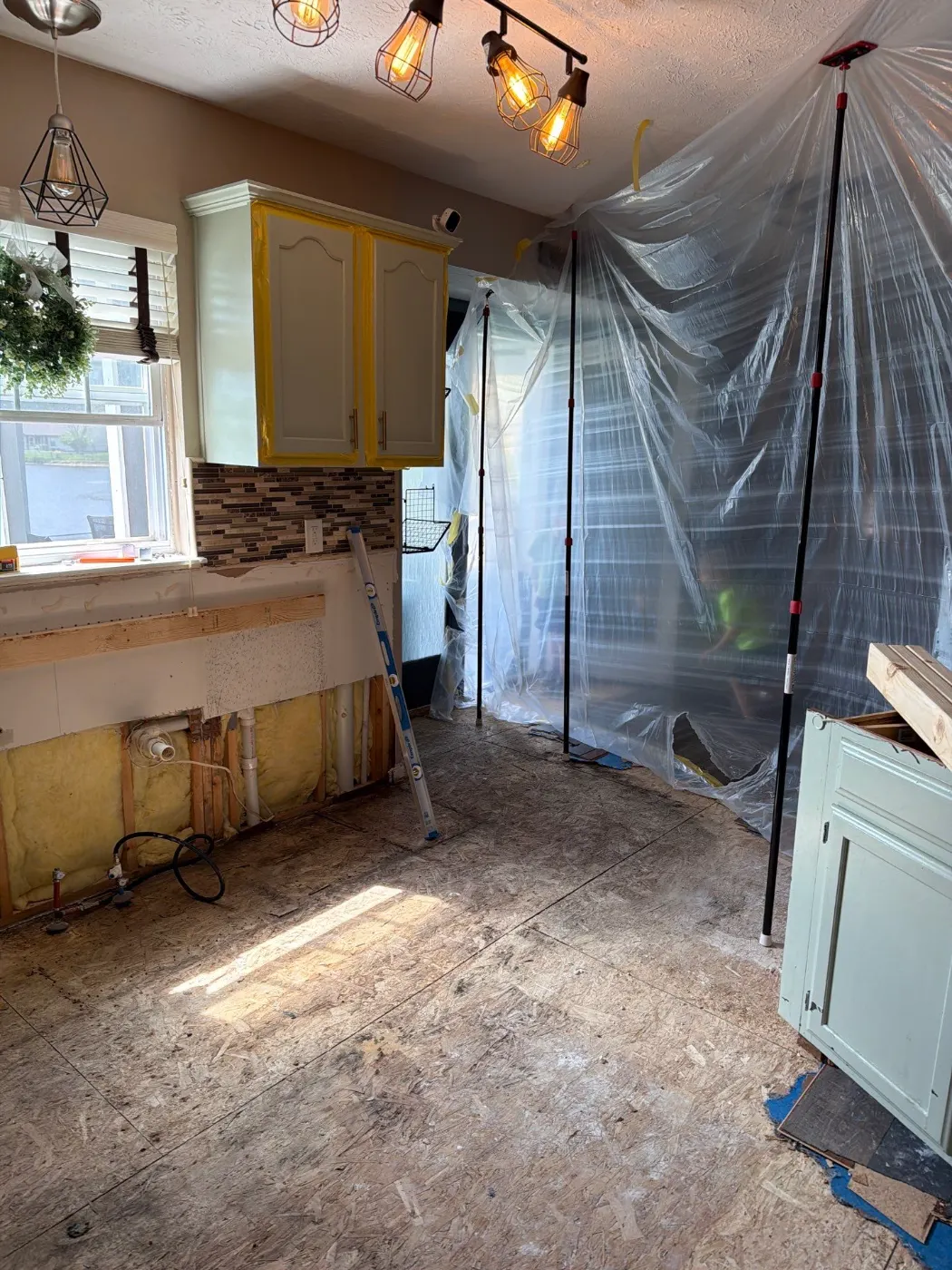
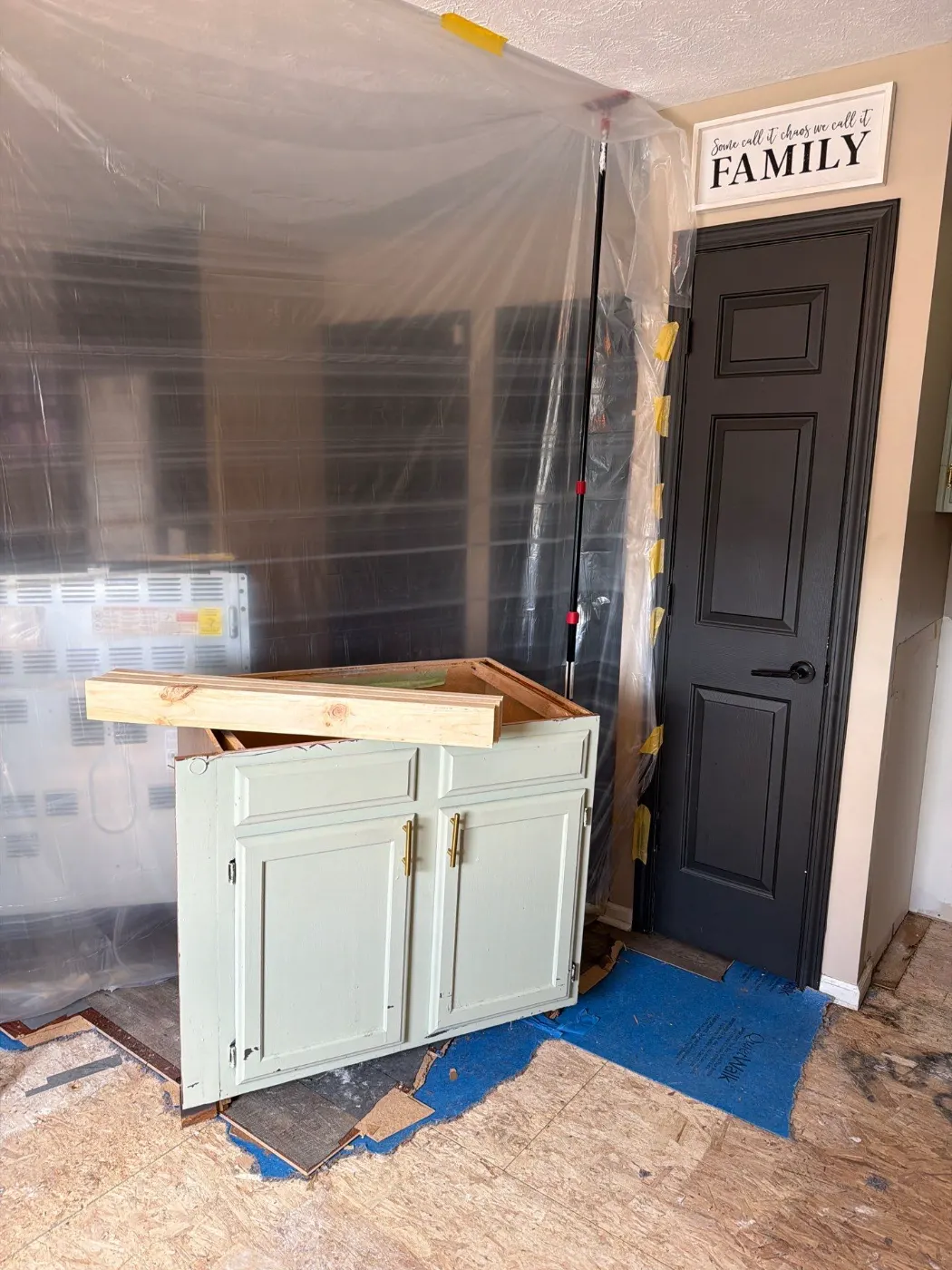
Photographs from real commercial flood damage cleanup jobs completed by our crew in Battle Ground and surrounding areas.
Commercial Flood Damage Cleanup FAQ
Questions Battle Ground property managers ask us about commercial flood damage cleanup.
Guidance and Standards for Commercial Flood Damage Cleanup
- The ANSI/IICRC S500 is the published standard for professional water damage restoration. The current edition is the Fifth Edition, 2021. IICRC S500 Standard
- EPA advises drying water damaged areas and items within 24 to 48 hours to prevent mold growth. EPA: A Brief Guide to Mold, Moisture and Your Home
Battle Ground Neighborhoods We Serve
We take commercial flood damage cleanup calls in every part of Battle Ground. Pick your neighborhood for local details.
Other Restoration Services in Battle Ground
Battle Ground Water Restoration handles the full scope of restoration work. Explore our other services below.
Water Damage Restoration in Battle Ground
24/7 emergency response. IICRC certified water restoration from extraction to full dry out.
Learn more →Basement Flooding in Battle Ground
Basement water emergencies handled fast. Extraction, drying, mold prevention.
Learn more →Sewage Cleanup in Battle Ground
Category 3 biohazard cleanup. Full containment, decontamination, structural restoration.
Learn more →Request Commercial Flood Damage Cleanup
Reach Us Directly
Our team is available 24/7 for emergencies and ready to schedule inspections during business hours.
Need Immediate Help?
For active water or mold emergencies, call us directly. We are available 24/7.