Sewage Cleanup in Battle Ground, IN
Septic backups reach Battle Ground homes too, and Battle Ground Water Restoration handles the cleanup inside while your septic company handles the tank
For Sewage Cleanup in Battle Ground, Battle Ground Water Restoration brings the equipment, the certifications, and the paperwork: 24/7 response, written scopes, and insurance claim support. Call (463) 241-6041 for dispatch.
- Service: Sewage Cleanup for Battle Ground homeowners
- Service area: Battle Ground, IN and surrounding areas
- Response time: Around the clock dispatch; Battle Ground emergencies move to the front of the line
- Licensed and insured (License #RC21100059)
- Serving Battle Ground, IN since 2018
Sewage Backup Cleanup in Battle Ground
We clean up sewage backups in homes across Battle Ground, and we'll disinfect whatever can stay.
Sewer Lines Here
Older sewer lines in parts of Battle Ground raise the backup risk.
We work in every corner of Battle Ground, including Gracewood Estates and the blocks around Battle Ground Golf Club and College Street. We also clean up sewage backups in Dayton, Clarks Hill, Shadeland and Lafayette.
Expert Sewage Cleanup for Battle Ground Homeowners
Some Battle Ground homes have a backwater valve on the sewer line and many others don't. If yours has one, the plumber checks that the flap moves freely, because debris can hold it open. If sewage reached your floors anyway, Battle Ground Water Restoration cleans up the same way, and the plumber's findings go into the file alongside the photos.
Surfaces get cleaned from the top down, so nothing drips onto a floor that's already finished. Framing and shelving come first and the slab comes last, working from the cleanest edge of the room toward the source. Battle Ground Water Restoration follows that order in your Battle Ground basement, then applies the disinfectant and records its dwell time before any drying starts.
Battle Ground Water Restoration works a sewage loss in two passes. The first is about getting contamination out of the house, so the waste gets extracted, the porous material comes out, and the surfaces get cleaned and treated. The second is about moisture, with dehumidification and air movement running against daily readings until the structure matches unaffected material. The rebuild scope gets written between those passes.
If the blockage turns out to be in the public main, ask both your agent and your town's utility how they handle backups. Keep dated notes about when sewage first appeared in your Battle Ground home and whether neighbors saw the same thing, since that timeline helps whoever reviews the claim.
Call Battle Ground Water Restoration and ask for the sewage crew. The dispatch window is 2 hours to Battle Ground addresses, the crew works in full protective gear, and the truck carries the containment, filtration, extraction and disinfection equipment this kind of loss needs.
Signs You Need Sewage Cleanup
If you notice any of these in your Battle Ground home, schedule a free inspection before the issue worsens.
Wet carpet and a sewage smell that remain days after a plumber cleared the line
Carpet in the finished basement wet underfoot with a sour smell coming off it
Dark gritty water standing around the floor drain with paper debris floating in it
Neighbors on the same street reporting sewer backups on the same day as yours
Pooled wastewater around an ejector pit with its lid pushed up
Ejector pit alarm sounding, or the pump cycling while the water level stays up
Septic tank alarm sounding while the toilets gurgle and the tub fills from below
Dirty water showing up inside the washing machine drum between loads
Wastewater rising in the basement shower stall whenever the washing machine pumps out
Hardwood boards cupping just outside a bathroom where waste from the toilet ran across the floor
How Battle Ground Water Restoration Handles Sewage Cleanup
We follow these steps in order on every Battle Ground job.
Safety Walkthrough
Before anyone steps into standing water, the crew looks for outlets and cords touching it and shuts off the circuits that serve the wet area from a dry spot. The walkthrough also settles which doorway the crew uses, so traffic stays off clean floors.
Source Isolation
Work opens with stopping the inflow. The crew locates the backup point, confirms whether the blockage sits on the house side or the public side of the line, and coordinates with the drain contractor clearing it while containment and extraction get staged.
Structural Drying
Commercial dehumidifiers sized to the affected cubic footage and air movers placed around the wet zone run until materials match unaffected baseline readings in the same house. Moisture readings get logged daily at marked locations while the equipment runs.
Daily Moisture Checks
A technician returns each day while equipment runs, taking readings at the same marked points and moving the air movers as the wet area shrinks. The numbers go in a log that shows the trend toward the dry reference.
Clearance Verification
Final moisture readings go on every affected material against an unaffected baseline elsewhere in the house. Cleaned surfaces get inspected, the sealed space gets an odor check with the scrubbers off, and containment comes down once the verification is written up.
Sewage Cleanup in Battle Ground
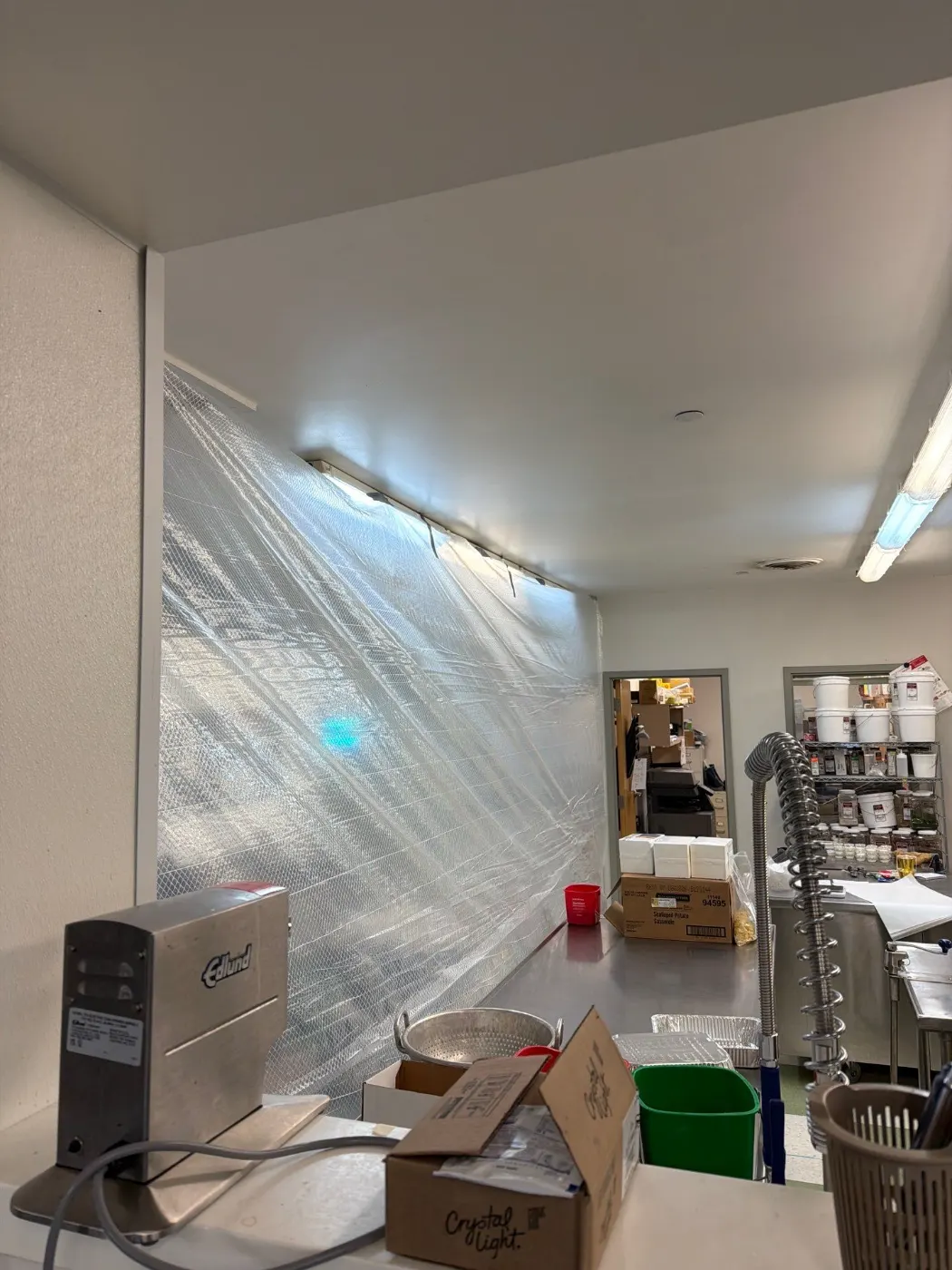
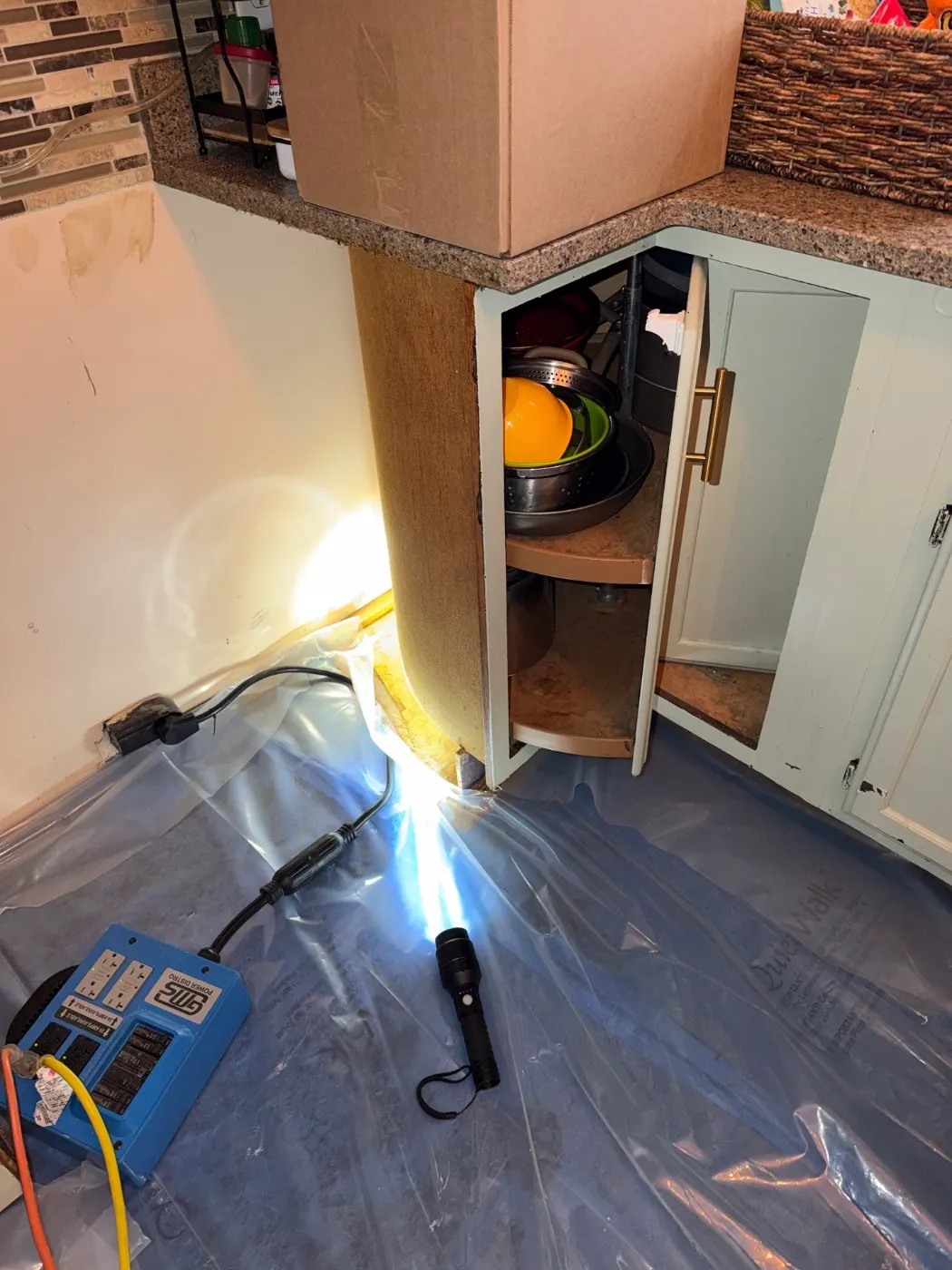
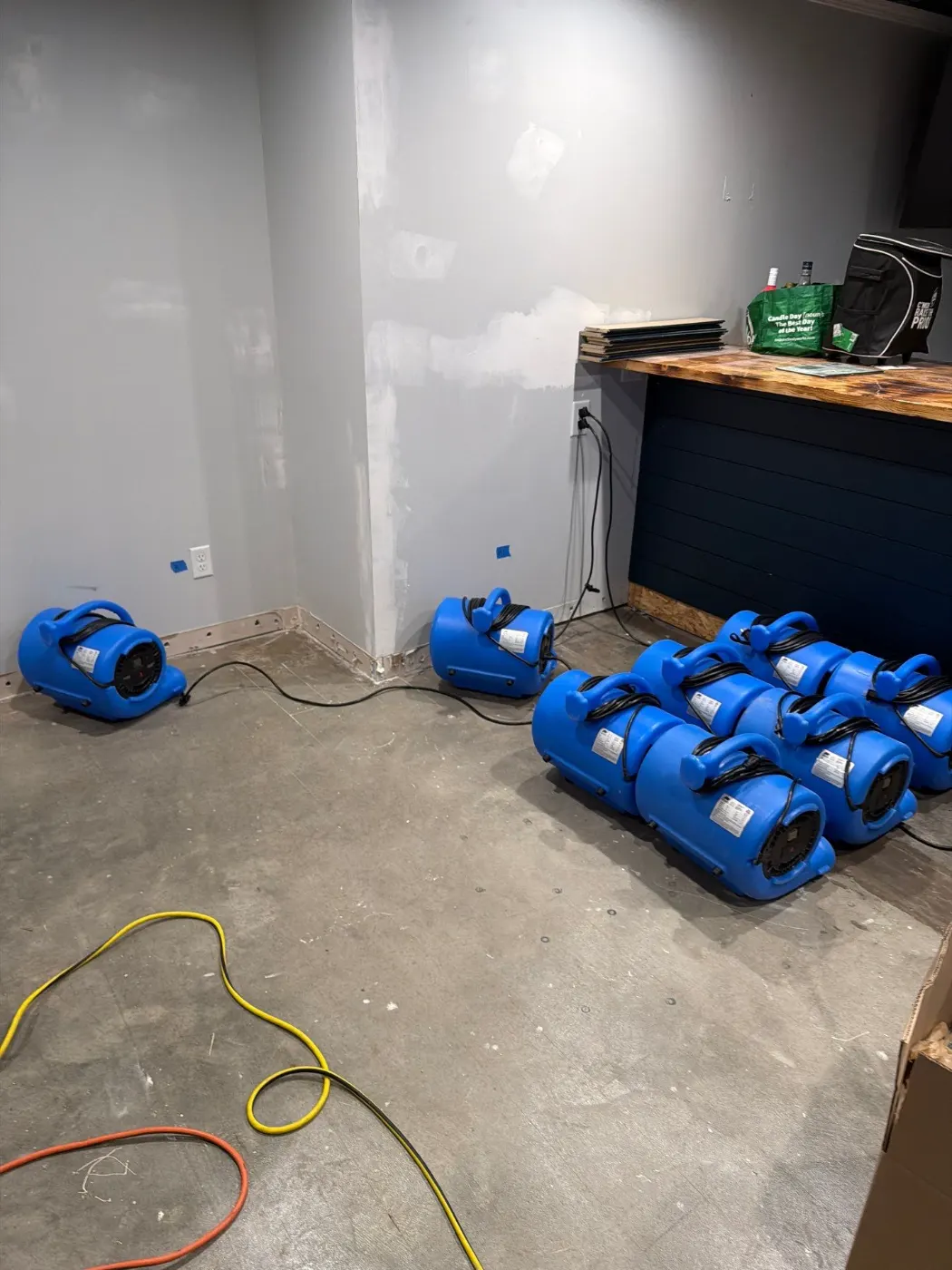
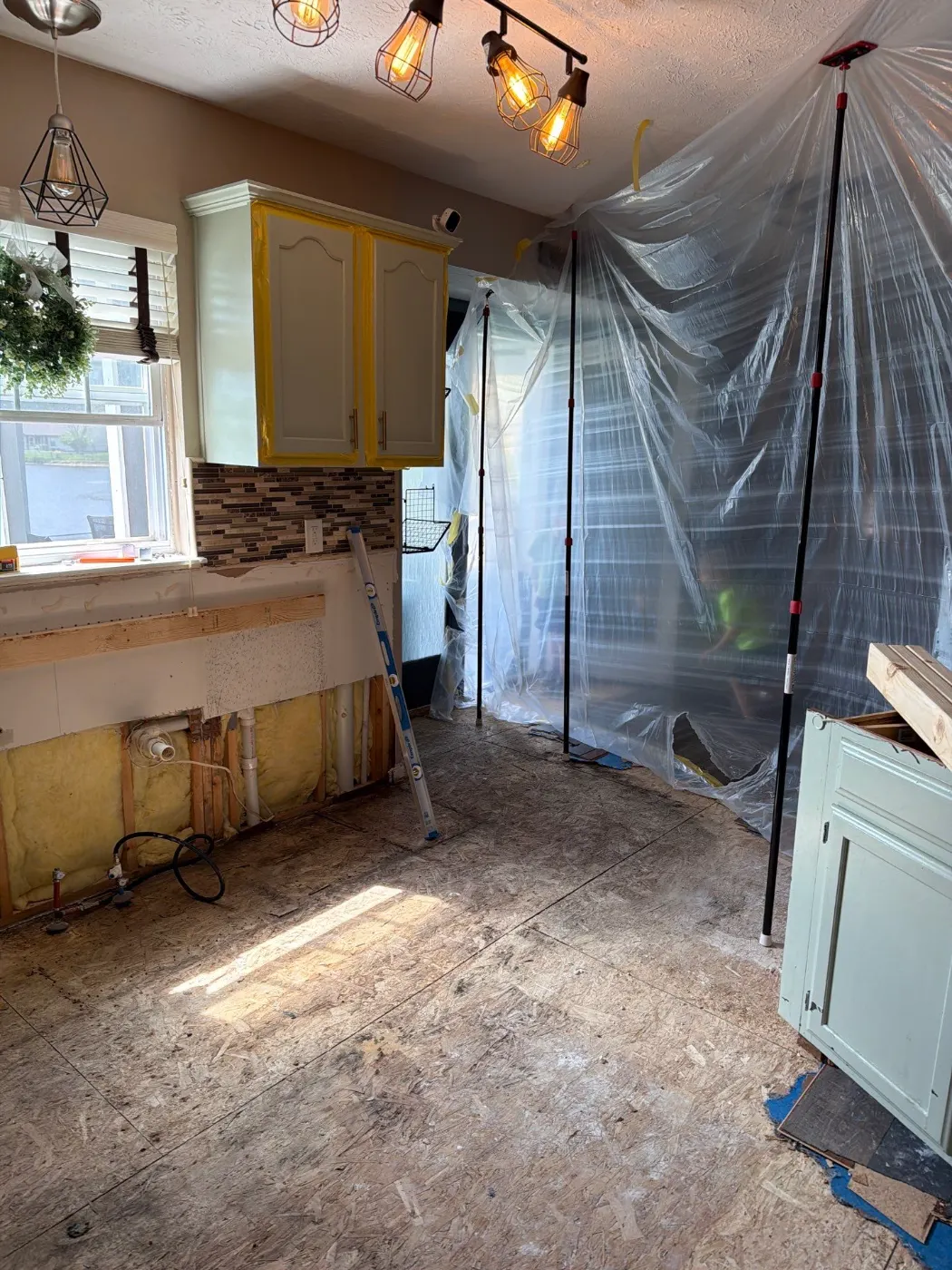
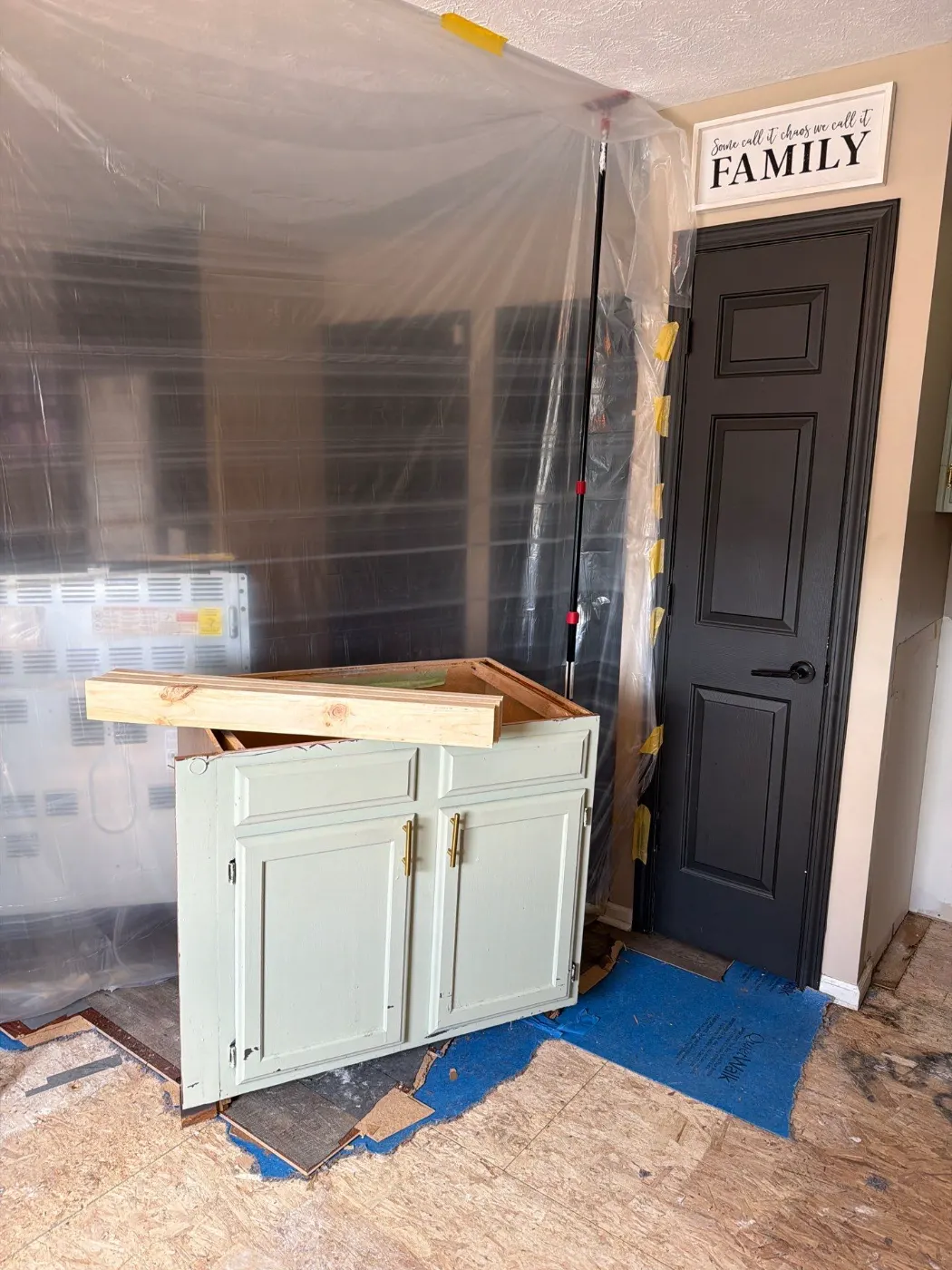
Photographs from real sewage cleanup jobs completed by our crew in Battle Ground and surrounding areas.
Sewage Cleanup FAQ
Questions Battle Ground homeowners ask us about sewage cleanup.
Guidance and Standards for Sewage Cleanup
- The ANSI/IICRC S500 is the published standard for professional water damage restoration. The current edition is the Fifth Edition, 2021. IICRC S500 Standard
- The Indiana Department of Insurance advises against permanent repairs before your insurance company inspects the damage. Check your own policy for what it covers. Indiana Department of Insurance: Insurance Claim Tips
Battle Ground Neighborhoods We Serve
We take sewage cleanup calls in every part of Battle Ground. Pick your neighborhood for local details.
Other Restoration Services in Battle Ground
Battle Ground Water Restoration handles the full scope of restoration work. Explore our other services below.
Water Damage Restoration in Battle Ground
24/7 emergency response. IICRC certified water restoration from extraction to full dry out.
Learn more →Basement Flooding in Battle Ground
Basement water emergencies handled fast. Extraction, drying, mold prevention.
Learn more →Storm Damage in Battle Ground
Storm related water emergencies. Tarping, extraction, drying, and full restoration.
Learn more →Request Sewage Cleanup
Reach Us Directly
Our team is available 24/7 for emergencies and ready to schedule inspections during business hours.
Need Immediate Help?
For active water or mold emergencies, call us directly. We are available 24/7.