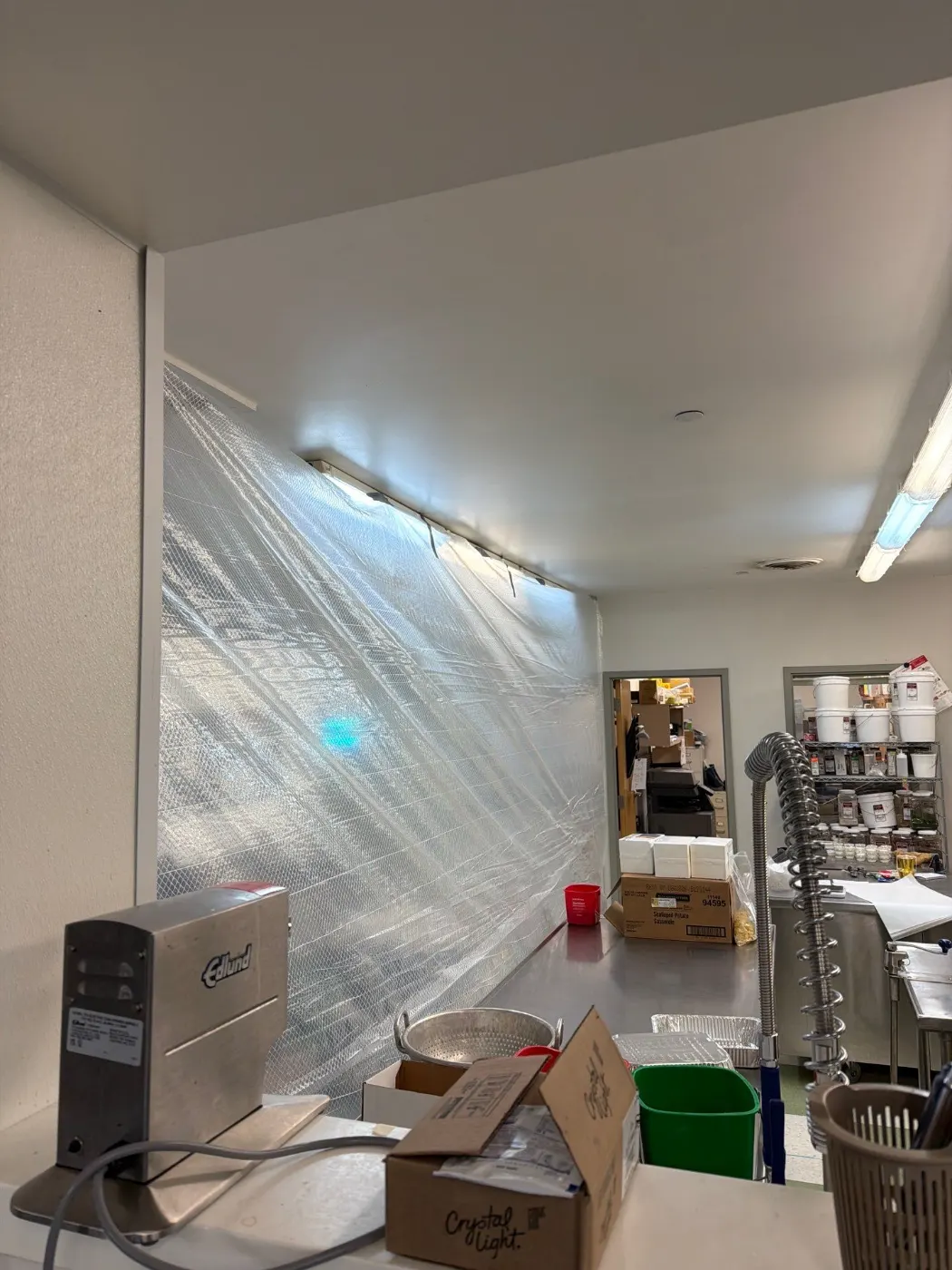
Commercial Storm Damage in Battle Ground, IN
Low slope roof failures and the floors below them. Battle Ground Water Restoration dries Battle Ground commercial buildings while the tenants keep working.
When Battle Ground homeowners need Commercial Storm Damage, Battle Ground Water Restoration responds 24/7 with certified technicians, fast equipment deployment, and claim ready documentation. Call (463) 241-6041 for immediate dispatch.
- Service: Commercial Storm Damage for Battle Ground homeowners
- Service area: Battle Ground, IN and surrounding areas
- Response time: 24/7 live dispatch; emergency crews prioritized for Battle Ground
- Licensed and insured (License #RC21100059)
- Serving Battle Ground, IN since 2018
Commercial Storm Damage for Battle Ground Businesses
A warehouse slab that took on a few inches of storm water looks dry by the next afternoon and isn't. Concrete holds moisture long after the surface sheds it, and whatever's stored on that slab absorbs what the concrete releases. Battle Ground Water Restoration brings desiccant drying capacity to commercial losses in Battle Ground, IN, measures the slab with the right instrument, and gives you readings you can show a tenant.
Storm water in a commercial building usually comes through the roof, so Battle Ground Water Restoration reads the roof assembly and every floor under the breach. Readings come off the insulation, the deck and the gypsum, then down the column lines and partitions where the water tracked. Every reading gets keyed to a floor plan of your Battle Ground building, so the scope covers what the water reached.
On a multitenant Battle Ground building the scope gets split as the work happens. Battle Ground Water Restoration logs readings, photos and equipment by suite so each tenant's portion stands on its own, which matters when one space is on a triple net lease and the one next door isn't. Common area and roof work get their own lines, and ownership gets the whole picture in one package.
Documentation on Battle Ground Water Restoration commercial jobs starts in the first hour on site. Photos per space, moisture readings keyed to a floor plan, humidity logs, and equipment run hours all get captured as the work happens and packaged for your file. Your broker and the adjuster settle what gets paid. The team's job is making sure the file answers their questions before they have to ask.
Battle Ground Water Restoration answers after hours commercial calls in Battle Ground with a two hour dispatch. Whether it's one tenant suite or a full floor, the crew extracts, dries in the roof opening, and starts logging readings the same night. Property managers and building owners can call at any hour.
Signs You Need Commercial Storm Damage Restoration
If you notice any of these in your Battle Ground building, schedule a free inspection before the issue worsens.
Grout between floor tiles darkening in a pattern that spreads a little more each day
A supply diffuser dripping water or showing rust streaks after a storm
Stains that start at the top floor and reappear on the same wall two floors down
Carpet tile that squishes underfoot along the glass line of a storefront or window wall
Mechanical room floor drains that fill during heavy rain and empty slowly afterward
Water dripping from a light fixture, an air diffuser, or a sprinkler escutcheon after a hard rain
Tenants moving stock or equipment away from a wall because water keeps showing up there
Fan coil or convector cabinets along a window wall holding water at the bottom
A musty, earthy smell at a return air plenum or coming out of a corridor diffuser
Receptacles on an exterior wall that trip the breaker or show beads of moisture
How Battle Ground Water Restoration Handles Commercial Storm Damage
We follow these steps in order on every Battle Ground job.
Contents and Inventory Protection
Stock and equipment on wet floors get lifted onto blocking or moved to dry ground, with plastic over anything that has to stay. A photo list records what moved and where, which supports each tenant's own claim.
Water Category Call
Rain that started clean can worsen in category as it sits, so the crew classifies the water as it entered and again as it has aged. That call sets which materials get cleaned in place and which come out.
Cavity Inspection Openings
Where meters or thermal imaging point to hidden water, the crew opens a small inspection hole or lifts a tile. What the probe finds inside decides how much larger the cut needs to be.
Structural Drying Setup
Dehumidification is sized to affected cubic footage, desiccant for open floor plates and refrigerant units for enclosed suites. Air movers go in at calculated angles. The crew checks available amperage and brings distribution or generator power when building panels can't carry the load.
Daily Readings Logged
Each day brings temperature, relative humidity and material moisture readings logged against an unaffected baseline elsewhere in the building. Equipment moves based on what the numbers show. The property manager gets the readings and the photos the same day.
Commercial Storm Damage in Battle Ground
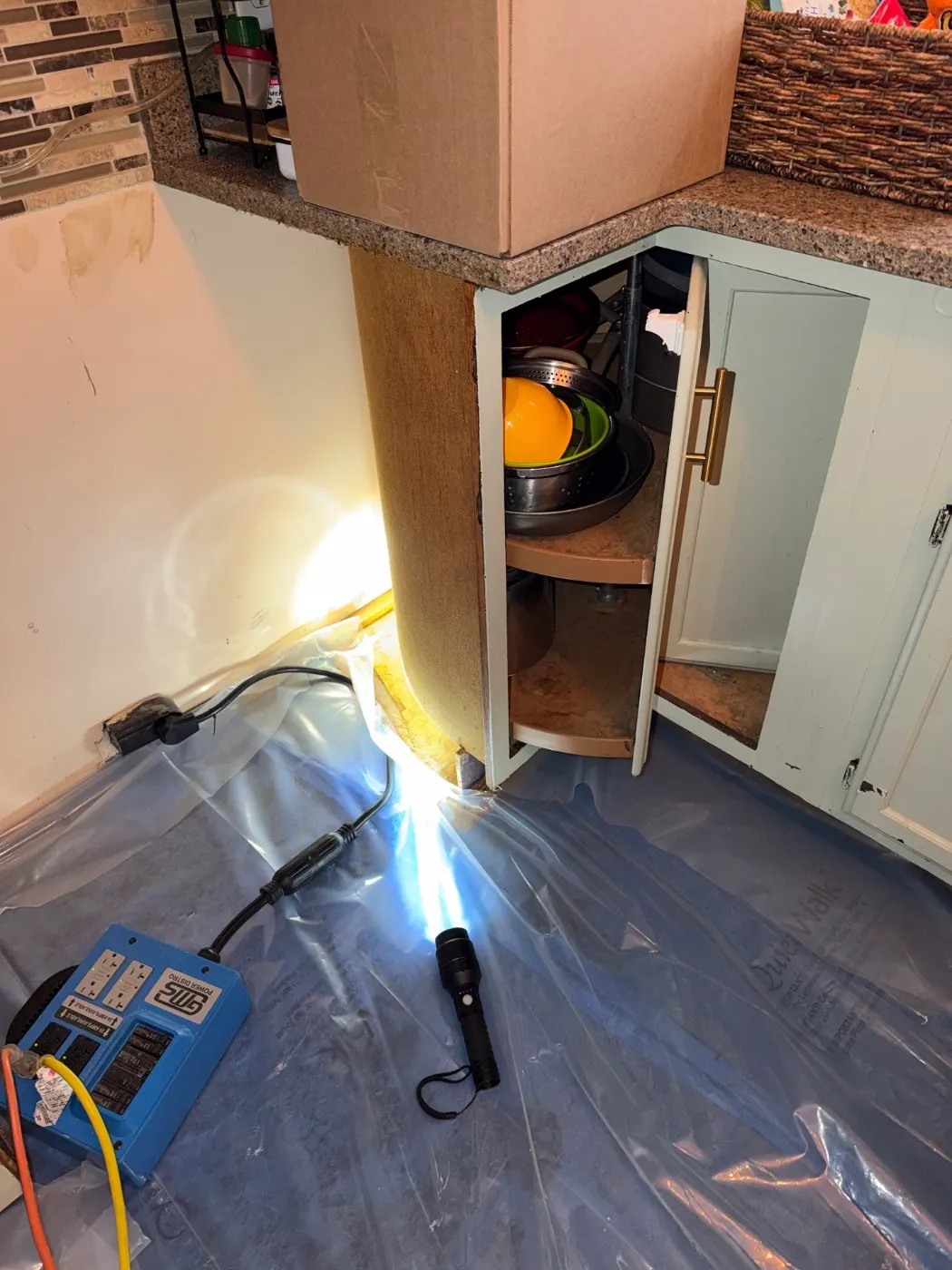
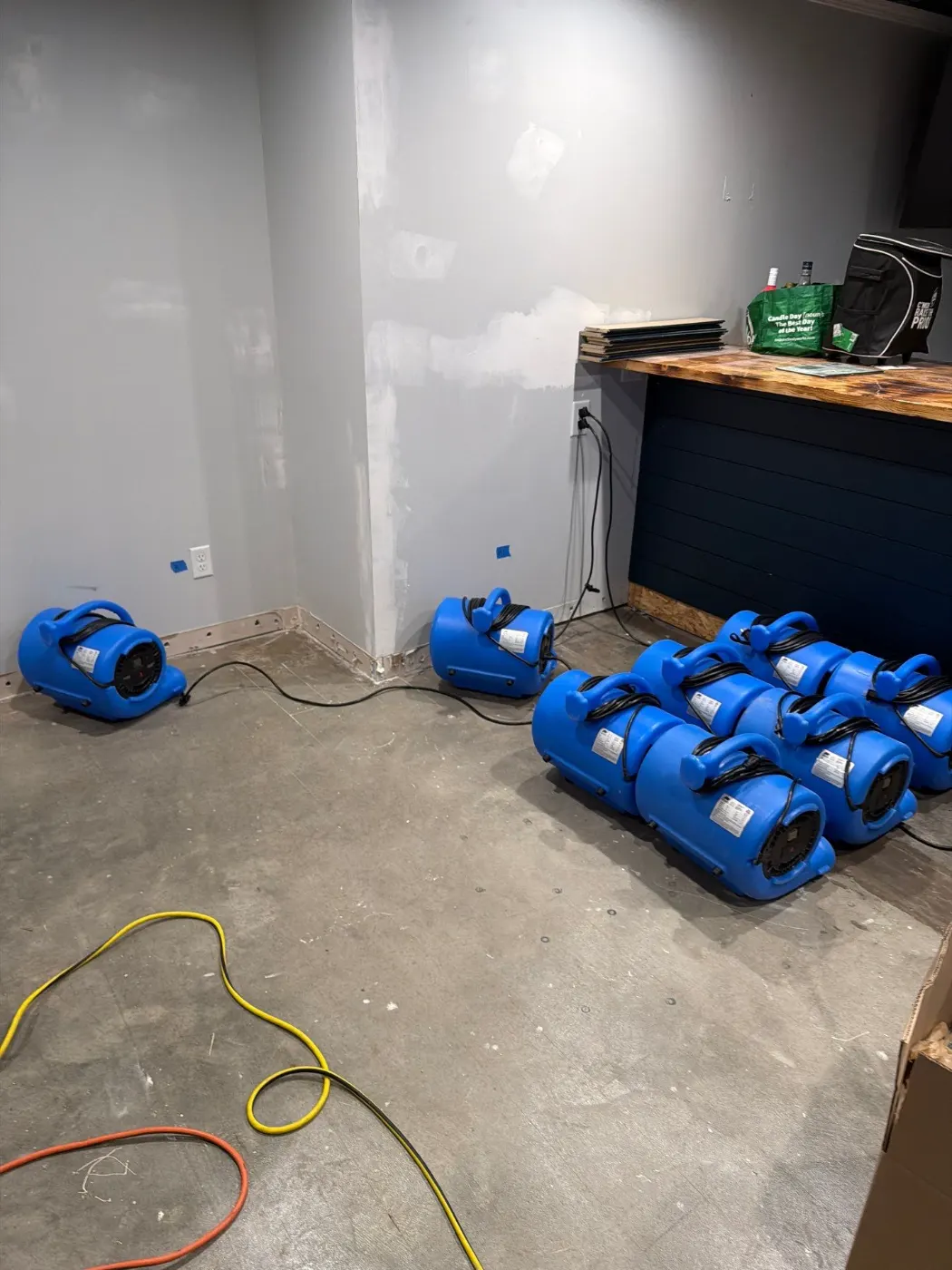
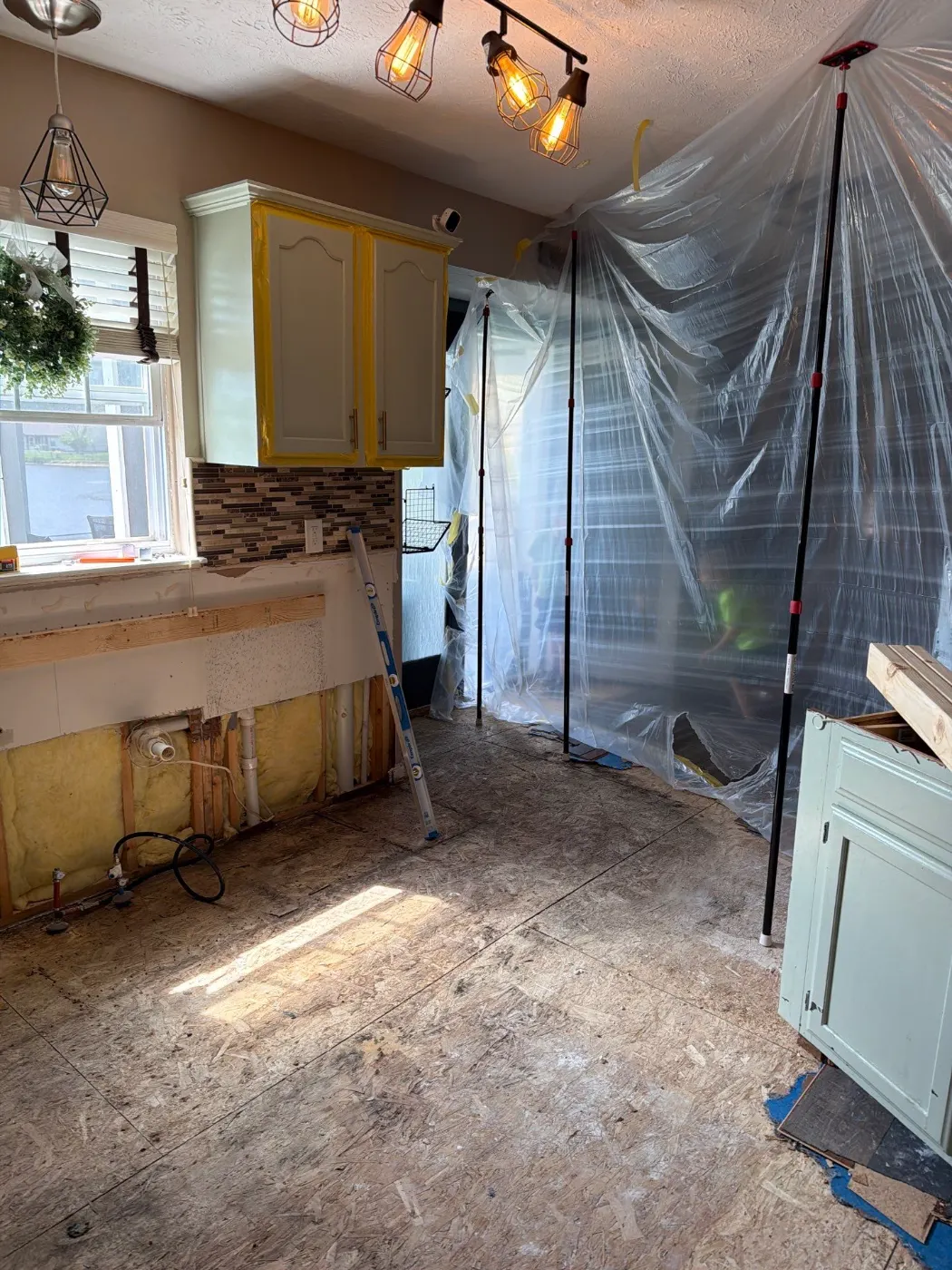
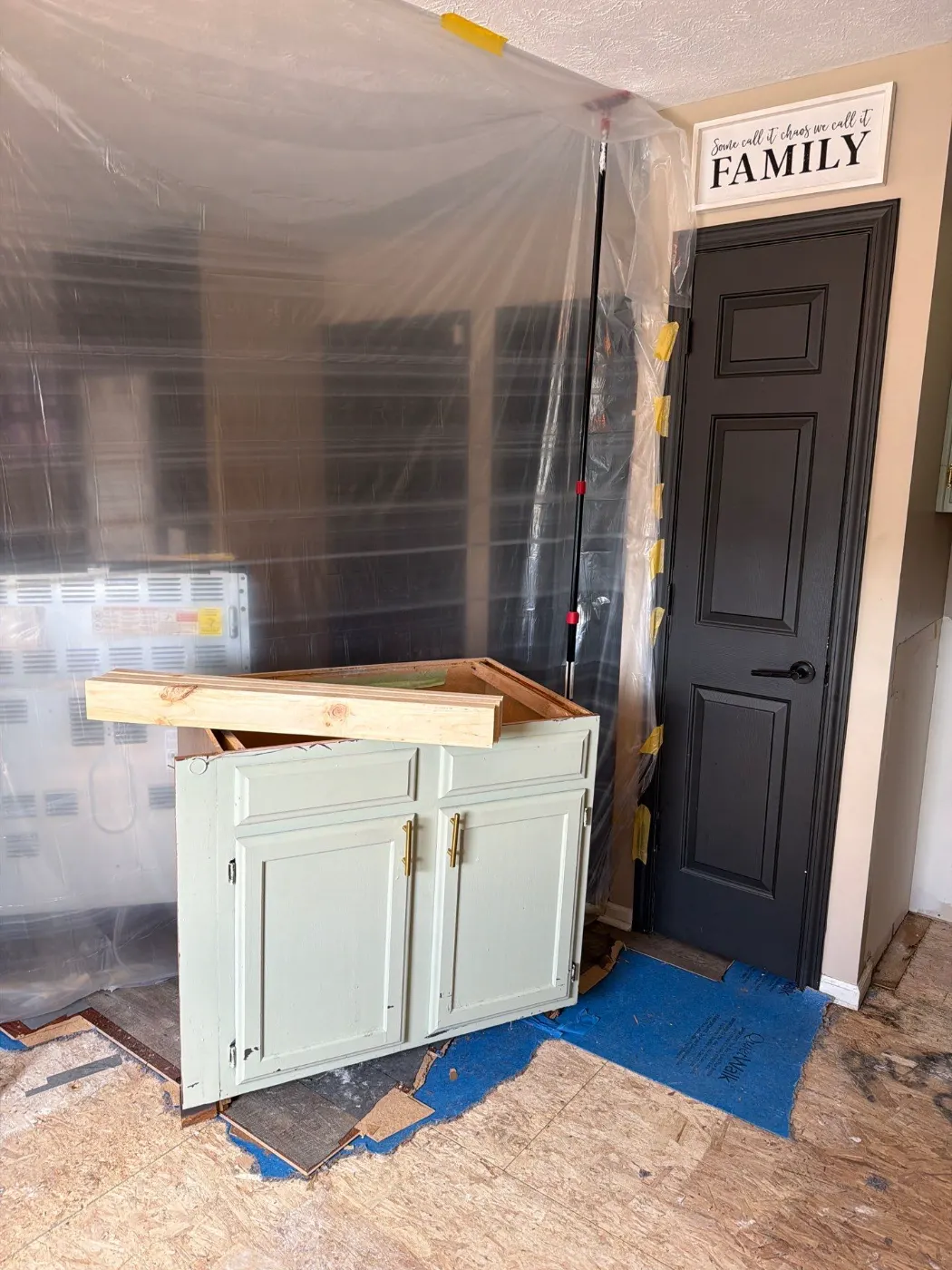
Photographs from real commercial storm damage jobs completed by our crew in Battle Ground and surrounding areas.
Commercial Storm Damage FAQ
Questions Battle Ground property managers ask us about commercial storm damage restoration.
Guidance and Standards for Commercial Storm Damage
- The National Weather Service office in Indianapolis posts summaries of recent central Indiana storm and flood events. NWS Indianapolis Event Summaries
- The ANSI/IICRC S500 is the published standard for professional water damage restoration. The current edition is the Fifth Edition, 2021. IICRC S500 Standard
Battle Ground Neighborhoods We Serve
We take commercial storm damage calls in every part of Battle Ground. Pick your neighborhood for local details.
Other Restoration Services in Battle Ground
Battle Ground Water Restoration handles the full scope of restoration work. Explore our other services below.
Water Damage Restoration in Battle Ground
24/7 emergency response. IICRC certified water restoration from extraction to full dry out.
Learn more →Basement Flooding in Battle Ground
Basement water emergencies handled fast. Extraction, drying, mold prevention.
Learn more →Sewage Cleanup in Battle Ground
Category 3 biohazard cleanup. Full containment, decontamination, structural restoration.
Learn more →Request Commercial Storm Damage Restoration
Reach Us Directly
Our team is available 24/7 for emergencies and ready to schedule inspections during business hours.
Need Immediate Help?
For active water or mold emergencies, call us directly. We are available 24/7.