Problem: Standing Water Keeps Spreading Every Minute You Wait
Water does not sit politely where it landed. It travels along the path of least resistance, wicking under baseboards, sliding between subfloor seams, and pooling in the lowest cavity it can find. Within the first hour, a 50 gallon supply line break can affect three rooms. Within four hours, that same water has soaked into wall cavities you cannot see and started saturating insulation that may need to be removed entirely. Delay is the single biggest driver of restoration cost in Battle Ground homes.
Solution: Truck Mounted Extraction Within the First Hour
The first job of a same day crew is removing standing water before anything else happens. We arrive with truck mounted extractors that pull thousands of gallons per hour, far more than any shop vac or rental unit. Crews work room by room, extracting from carpet, hard surfaces, and any pooled areas in the basement or crawl space. For larger losses, we deploy submersible pumps. If your situation involves a flooded lower level, our basement flooding response team brings dedicated pumping equipment sized for the volume. Faster extraction means less material loss and a shorter drying timeline.
Speed also protects the items you care about most. When crews arrive within the first hour, we can often save area rugs, lift furniture onto blocks before legs wick moisture into upholstery, and pull electronics off the floor before circuit boards corrode. Photo albums, important documents, and children's artwork have a much higher survival rate when extraction happens fast. Our dispatch team in Battle Ground keeps trucks staged across multiple zones so the closest available crew can reach you, day or night, weekends and holidays included.
Problem: Hidden Moisture in Walls, Subfloors, and Cavities
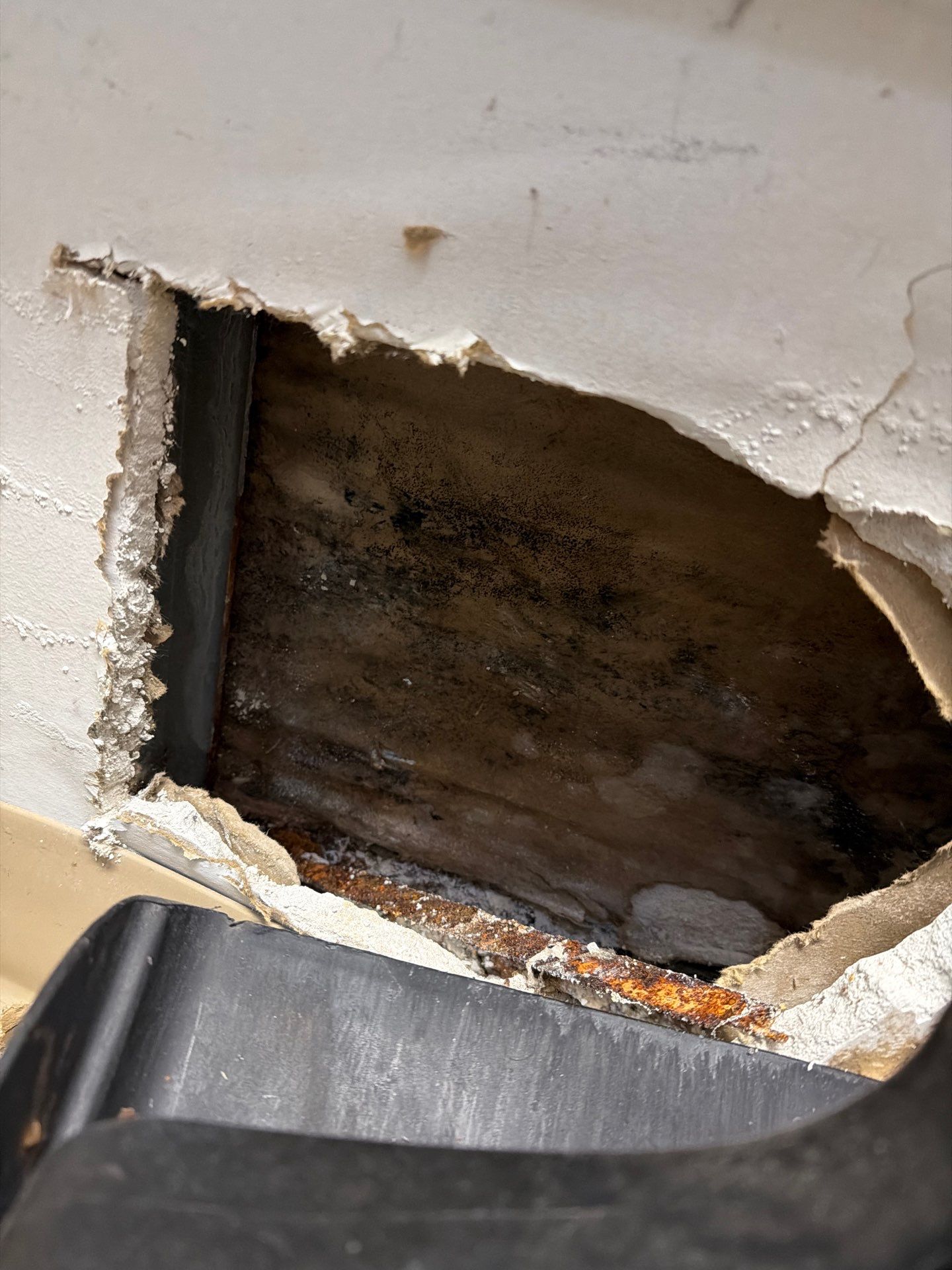
The water you can see is usually less than half of the problem. Drywall acts like a sponge and pulls moisture up 12 to 24 inches from the floor. Insulation behind that drywall holds water like a wet towel. Subfloors trap moisture between layers of plywood and finish flooring. Without proper detection tools, a crew can dry the surface and leave a hidden moisture pocket that grows mold inside two weeks.
Solution: Moisture Mapping With Meters and Thermal Imaging
Every Battle Ground Water Restoration job starts with documentation. Our technicians use pin and pinless moisture meters, thermal imaging cameras, and ambient humidity readings to map exactly where the water went. We mark wet areas on a floor plan, log baseline readings, and set target dry standards based on IICRC S500 guidelines. This matters for two reasons. First, it tells us where to place equipment. Second, it gives your insurance adjuster the documentation needed to approve the claim without pushback. If you want to understand what hidden moisture looks like in practice, our guide on water damage behind walls and hidden leak detection walks through the process in detail.
Solution: Full Claim Documentation and Direct Insurer Communication
Battle Ground Water Restoration handles the paperwork side from the first phone call. We photograph every affected area, log daily moisture readings, write the scope of work, and submit estimates in the format your carrier expects. We talk directly to your adjuster so you do not have to translate restoration language. For a deeper look at how response timing affects your claim, see our overview of 24 hour water damage restoration and emergency response. The goal is simple: you focus on your family, we handle the technical and administrative load.
Problem: Slow Drying Leads to Mold, Warping, and Repeat Damage
A common mistake we see in Battle Ground is homeowners opening windows, pointing a box fan at wet carpet, and hoping for the best. That approach often takes two to three weeks, and humidity from outside actually slows the process during summer months. Meanwhile, wood subfloors warp, MDF baseboards swell, and microbial growth begins. Slow drying turns a Category 1 clean water loss into a much bigger problem that may require demolition.
Problem: Contaminated Water Requires More Than Just Drying
Not every water loss is clean. A toilet overflow, a sewer backup, or floodwater from outside brings bacteria, viruses, and chemical contaminants that cannot be dried out and left in place. Category 2 grey water and Category 3 black water losses require antimicrobial treatment, controlled demolition of porous materials, and air scrubbing with HEPA filtration. Trying to dry contaminated materials in place creates a health hazard that often surfaces weeks later as illness or persistent odor.
Solution: Containment, Removal, and Sanitization Protocols
For contaminated losses, Battle Ground Water Restoration crews set up plastic containment barriers, run negative air machines to keep contaminants from spreading, and remove affected porous materials like carpet pad, drywall, and insulation. We then apply EPA registered antimicrobials, HEPA vacuum hard surfaces, and verify the area is safe before drying equipment goes in. Personal protective equipment for our technicians is standard on these jobs, and we follow strict disposal rules for contaminated debris in Battle Ground.
Solution: Engineered Drying With Commercial Air Movers and Dehumidifiers
Fast drying is a math problem, not a guess. Our crews calculate the cubic footage of affected space, the class of water damage, and the grain depression needed, then place equipment to match. A typical 1,500 square foot loss might need:
- 8 to 14 commercial axial air movers positioned to create directional airflow across wet surfaces
- 2 to 4 low grain refrigerant or LGR dehumidifiers pulling 15 to 30 gallons of moisture from the air per day
- Daily monitoring visits where technicians take fresh readings and adjust equipment placement
Most properly dried structures reach dry standard in three to five days. Hardwood floors and dense materials can take longer, but we keep you updated with daily numbers so you always know where things stand.
Problem: Insurance Claims Get Denied or Delayed Without Proper Documentation
Even with great drying work, a poorly documented claim gets denied or underpaid. Adjusters need photos, moisture logs, scope sheets, and itemized line item pricing in Xactimate format. Most homeowners do not have these tools or the time to compile them while their home is in chaos.